
Because a juniper is a temperate conifer that needs full outdoor sun and a real winter cold spell to stay alive, and almost every juniper sold as a tabletop "starter bonsai" is kept on a heated windowsill instead. The combination kills the tree slowly enough that most new owners do not realize anything is wrong until the tree is already gone.
The world's most common first bonsai
Walk into a mall kiosk, a home-goods store, or a garden center's seasonal display anywhere outside Japan, and the small conifer sitting in a glazed pot, labeled simply "bonsai," is very often a juniper. It is an understandable first purchase — small, evergreen, inexpensive, and displayed indoors next to the succulents and orchids, which quietly suggests it belongs there too. Nothing about the label or the shelf it sits on warns a buyer that the tree is, botanically, no different from a juniper growing in a hedge or a rock garden outside: an outdoor species that has been trained small, not redesigned to live on a windowsill. Most bonsai experts recommend against growing junipers indoors, and keeping one indoors permanently is one of the most common reasons a first bonsai fails.
What a juniper actually needs
A juniper's requirements are not exotic, which is part of why they are so easy to miss indoors. Bonsai Empire's species guide is direct about it: a juniper should be placed outside, year-round, somewhere it gets full, direct sun for most of the day. Indoor light — even from a bright window — falls well short of what a sun-loving conifer is built for, and low light alone is enough to weaken a juniper over a season or two. The second requirement is less visible from a shop shelf: a real winter. Junipers are temperate trees, and temperate woody plants generally need a sustained cold period, roughly several hundred hours below about 10°C, to complete their yearly cycle properly. A centrally heated living room never delivers that signal. The tree does not get a winter; it gets an endless, dim, warm autumn, and it has no biological instructions for that condition. (For the fuller picture of which bonsai species can and cannot tolerate indoor life, Can Bonsai Live Indoors? covers the dormancy science across species — junipers sit firmly on the "cannot" side of that line.)
Why the death goes unnoticed until it's final
The cruelest part of a juniper's decline indoors is how little it announces itself. Unlike a wilting houseplant, a dying juniper does not droop or drop its foliage on any predictable schedule. Growers who track failing conifers closely describe trees that stayed visibly green for months after the roots had already died — the needles simply hold their color long after the tree beneath them has stopped functioning. The usual way to check is a scratch test: nick a thin strip of bark with a fingernail and look for moist green tissue underneath. Green means living tissue somewhere in that branch; brown and dry means that section is finished. It is a useful test, but not a complete one — a juniper can show green in one spot while the trunk and roots beneath it are already gone, which is why a single reassuring scratch is not the same as a healthy tree. (Is My Bonsai Dead? walks through the fuller set of checks, scratch test included, for a tree in doubt.) By the time the foliage itself turns visibly brown and brittle, the decision was usually made months earlier, in whichever window ledge the tree spent its indoor winter on.
Protecting the first tree
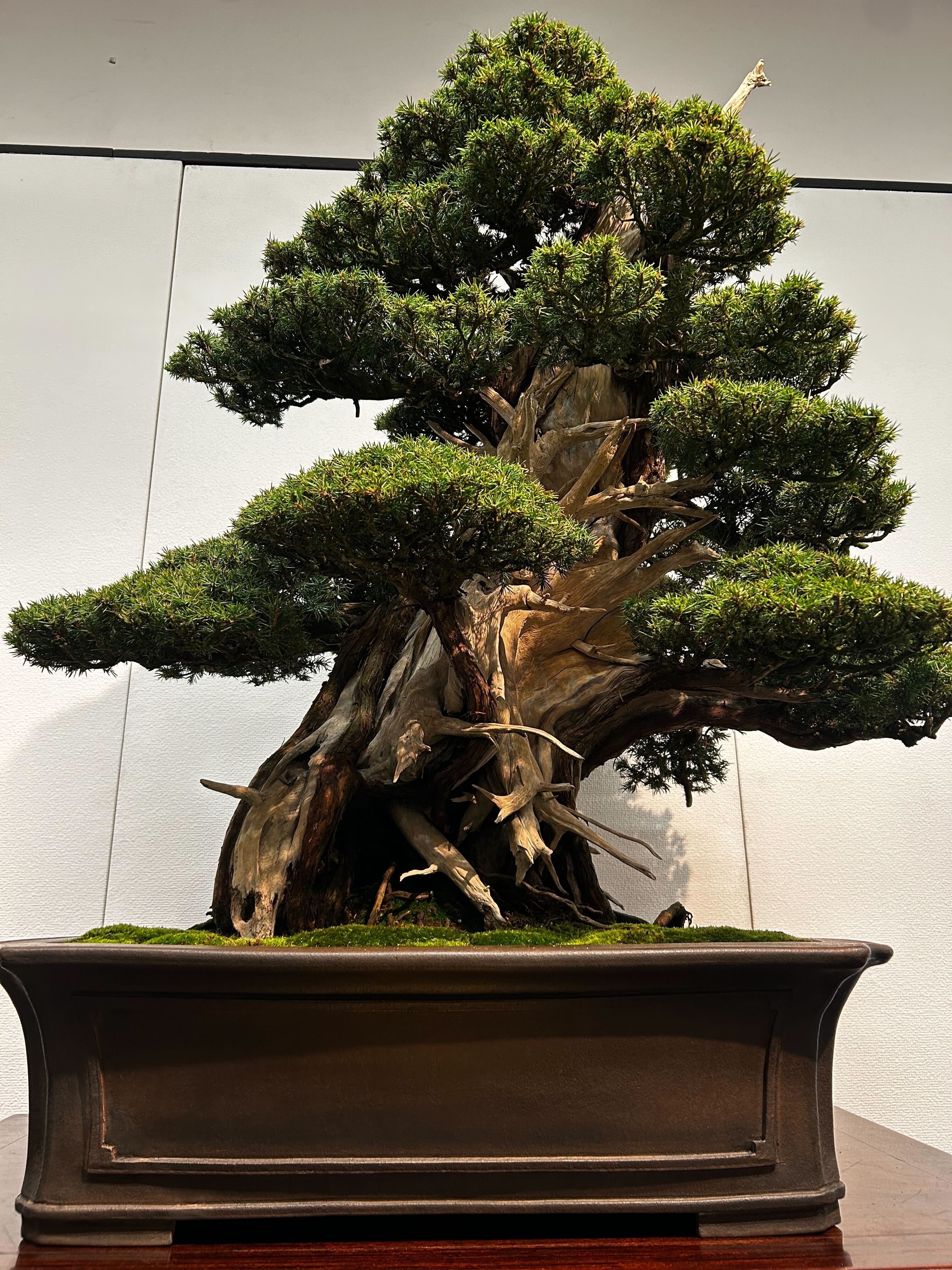
None of this requires special skill to avoid — it requires one question asked before the purchase, not after the first brown patch: is this species meant to live outdoors? For a juniper, the answer is always yes. In Japan, a juniper bonsai's actual home is a bench in the open air, exposed to sun, wind, and the turning of the seasons, the same as any other bonsai kept there. It comes indoors only briefly, for a day or two of display, then returns outside to recover — the opposite of how it is usually sold abroad. A young shimpaku or tosho trained on an outdoor bench for years can develop the kind of weathered, storm-carved trunk no windowsill tree ever will, precisely because it was never protected from the weather it needed.
At Azukari, every tree in an owner's care lives out that same outdoor life on a working nursery bench in Japan, moved through sun, shade, and winter cold by an artist who tracks the season — not sitting on a shelf, indoors, waiting quietly to fail.
References
- Ask Extension — "Bonsai houseplant" — a horticulture extension expert's assessment that Japanese junipers are unsuited to permanent indoor life, especially in northern climates, and the intervention required to keep one alive indoors even briefly.
- Bonsai Empire — Juniper (Juniperus) care guide — on year-round outdoor placement, full-sun requirements, and indoor keeping as one of the most common causes of juniper bonsai death.
- Bonsai4Me — "Winter Care For Bonsai" — on the dormancy requirement of temperate woody plants, the roughly 260-to-1000-hour cold threshold, and the effects of denying it.
- GrowingBonsai.net — "Is my Bonsai dead?" — on a conifer staying visibly green for months after its roots had already died, and the limits of the bark scratch test as a check.
- GrowYourBonsai — "Can A Juniper Bonsai Live Indoors?" — on the common misconception that bonsai are houseplants, and the weak, sickly decline a juniper kept indoors year-round eventually shows.