Yes. Buying a bonsai from a nursery in Japan does not obligate the buyer to ship it anywhere. A tree can be purchased outright, owned free and clear, and still stay exactly where it has always grown — tended by the nursery or artist who already knows it, while its owner visits when travel allows and follows the rest of the year through photographs and a written record.
Leaving a tree behind is not the same as giving it up
The instinct is to picture ownership as "the thing sits in my house," but Japanese nurseries have offered an alternative for a long time. Daijuen, a nursery in Aichi Prefecture that has cared for black pine bonsai for roughly 90 years, formally calls this an azukari (預かり, "custody, entrusting") service: a client's tree is accepted for ongoing professional care — watering, fertilizing, seasonal pruning, the founder's own bud-cutting technique — while ownership stays with the client the entire time. A Japan National Tourism Organization feature on a working bonsai grower puts the same practice in plainer terms: "Some people will bring in their bonsai for me to take care of when they're on vacation. Others buy them but keep them here all the time." This is a standing service at nurseries that offer it, not an improvised favor.
What changes hands in this kind of arrangement is not the tree itself. It is the tree's day-to-day care, documented and reported back to the owner — the same separation of ownership from daily labor described at greater length in The Culture of Entrusting.
Who does what once the tree stays
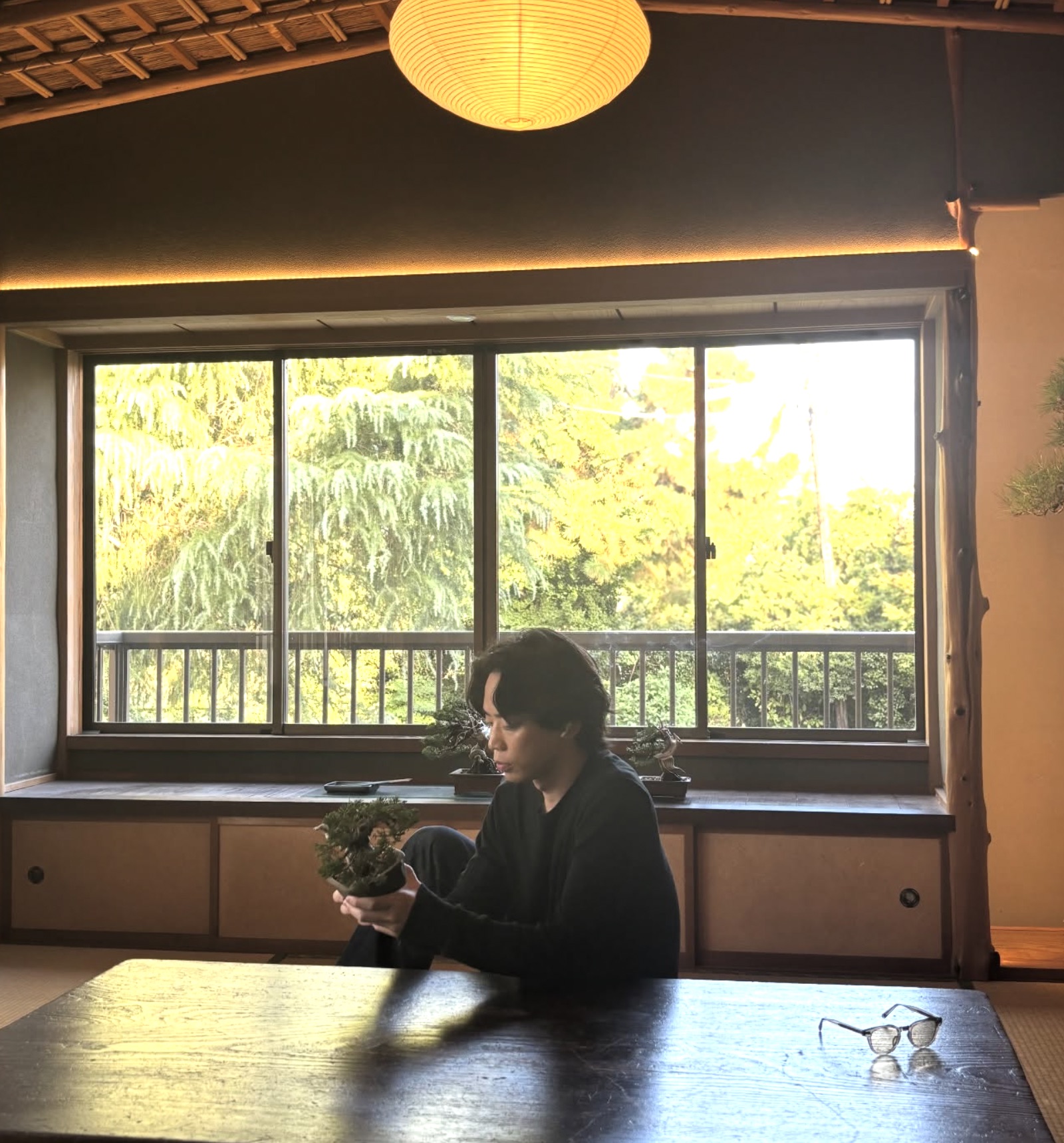
In practice, the split is simple. The nursery or artist keeps doing the hands-on work a bonsai actually needs — watering on the day it needs it rather than on a fixed calendar, wire checked before it cuts into new growth, repotting timed to the narrow week a species tolerates it best. The owner's part shifts from doing that work to following it: seasonal photographs, notes on what was cut or wired and why, and the larger decisions about the tree's direction over years rather than this week's watering can. Owning a Bonsai from Afar goes through what that actually looks like season by season, and why it does not have to feel like a thinner relationship than watering the tree by hand.
Why staying is often the better option for the tree
There is a practical reason this arrangement is common, not only a sentimental one. A tree leaving Japan first has to clear a real regulatory wall: Japan's Plant Protection Stations require every live plant exported from the country, bonsai included, to pass inspection and receive a phytosanitary certificate confirming it carries no regulated pests, and the receiving country then layers on restrictions of its own — restrictions that rule several species out in practice. A Tree You Cannot Ship and The Quarantine Wall cover that process in full; the short version is that it is slow, species-dependent, and not something a tree simply shrugs off.
Even setting the paperwork aside, the move itself is hard on the tree. Ordinary repotting is already treated as a controlled stress — a tree temporarily loses fine feeder roots and some of its ability to take up water, and can need a full growing season to recover completely even with careful aftercare. A bonsai bare-rooted, boxed, and held through a foreign quarantine period is going through a rougher version of that same stress, on top of a permanent move to a climate different from the one it grew up in. A tree that keeps growing in the soil, light, and seasonal rhythm it already knows is, on balance, the tree with fewer things working against it.
The idea Azukari is built around
None of this requires giving up on owning a fine bonsai grown in Japan — only on the assumption that owning one means shipping it. Azukari is built around the arrangement described above: a tree stays with a working artist in Japan, under continuing seasonal care, while its owner holds the title and follows its progress through photographs and a written record kept over time. It is less a new idea than an old one, made available to owners who happen to live somewhere else.
References
- Daijuen — "A 90-Year Professional Explains the Care and Custody of Premium Black Pine Bonsai" — on the nursery's azukari custodial cultivation service for black pine bonsai, in which ownership stays with the client while the nursery provides ongoing professional care.
- Japan Travel (JNTO) — "Bonsai Is Big in Japan" — on owners who buy bonsai and leave them permanently in a grower's care rather than taking them home.
- Japan Plant Protection Station (MAFF) — "English Export Guide" — on the inspection and phytosanitary certificate required before any live plant, bonsai included, can be exported from Japan.
- Bonsai Empire — "Repotting Bonsai" — on repotting as a controlled stress that causes temporary root loss and can require a full growing season for complete recovery.