Anyone who has fallen for a tree in a Japanese nursery eventually asks the nursery owner some version of the same question: can this actually come home with me, properly, as freight rather than carry-on? The honest answer is rarely a plain yes or no.
Some bonsai can be exported from Japan, but only certain species, only after the tree has spent years growing in a nursery registered specifically for export, and only at a cost that regularly runs past what the tree itself would sell for. For most bonsai already growing in an ordinary Japanese nursery, export is not a realistic near-term option.
Yes for some species, no for most
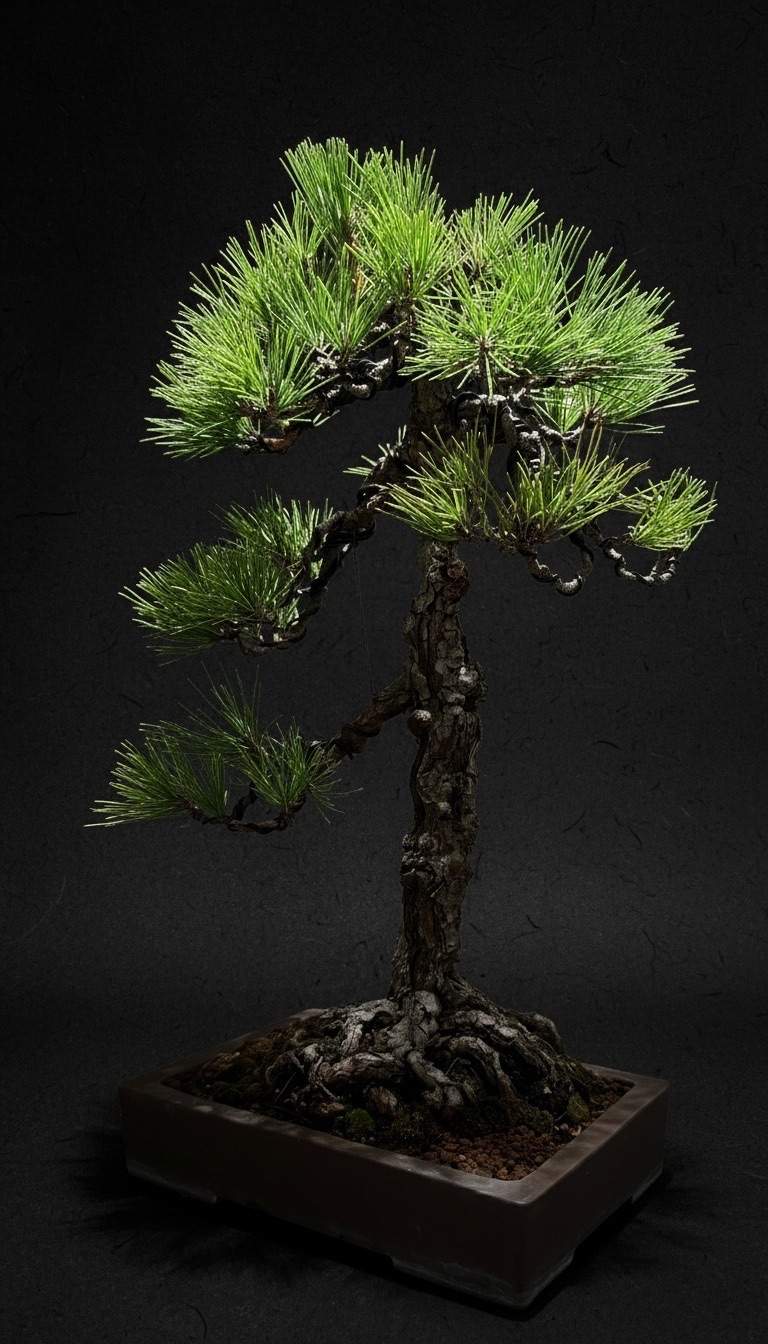
Whether a tree can leave the country at all depends first on what it is, not on how well it has been trained. Species that carry known pest risks — pine above all, because of the pine wood nematode that causes pine wilt disease — face the tightest restrictions of any bonsai, and some destinations bar the genus outright regardless of how the tree was raised. Maple, cherry, and several other common bonsai genera run into similar blocks depending on where the tree is headed. Meanwhile species with a lower pest profile, including goyomatsu (五葉松, "Japanese white pine") under specific conditions, have a narrower but real path through. Which Trees Can Leave Japan goes through this species by species, genus by genus, because the honest answer changes completely depending on what is standing in the pot.
What "exportable" actually requires
Even for a species that is allowed to travel, "exportable" does not mean a nursery can simply pot a tree and ship it next week. Under the European Union's own risk assessment for Japanese black pine bonsai, a tree must first spend a minimum of two consecutive years growing inside a nursery officially registered for export, repotted annually in growing medium heat-treated at 90°C, with its roots washed bare and treated again immediately before shipment. On arrival, it then sits in a post-entry quarantine station for a further three months, inspected at least twice more. Destinations vary in their specifics, but the shape repeats: registration, years of monitored cultivation, and inspection on both ends, not a single customs check at the airport. The Quarantine Wall covers the mechanics of how that inspection chain actually runs.
The cost most buyers don't expect
This is where the calculation usually changes for a buyer. A tree grown in an ordinary display area of a nursery generally does not qualify for export simply by being potted up — it needs to have spent its recent growing seasons inside a registered export nursery from the start, which most trees already admired and priced by a buyer have not done. Enrolling a tree onto that track, where it is even possible, adds years of cultivation fees, inspection costs, and freight on top of whatever the tree itself is worth, and there is no guarantee the process finishes cleanly: Japan's own export guidance notes that specimens beyond certain age or size limits, which vary by species, are barred from import regardless of how the quarantine process went. None of this reflects a fixed market price for export-ready bonsai — it is a cost that depends on species, destination, and the individual tree, and it can be large enough on its own to change whether export makes sense at all.
A different way to hold the tree
Faced with that arithmetic, a growing number of owners land on a simpler question: does the tree actually need to leave Japan for the relationship to be real? Japanese bonsai culture has separated ownership from daily care for a very long time, under a word — azukari (預かり, "to receive and hold something in trust") — that predates any of this quarantine paperwork by centuries. The Culture of Entrusting looks at how that separation works: an owner holds the title and the record, while an artist in Japan continues the daily watering, wiring, and repotting the tree actually needs, in the climate it was trained in. Entrusting a Tree goes into what that arrangement looks like in practice.
Held that way, a bonsai does not have to clear a border for its owner to have a genuine, ongoing stake in it. Azukari is built around keeping that record — season by season, in the same nursery, under the same hands — visible to an owner wherever they happen to live, whether or not the tree ever leaves the ground it grew up in.
References
- Plant Protection Station (MAFF) — "Export of Bonsai and Garden Trees" — official overview of the export inspection, documentation, and registration process for bonsai and nursery trees leaving Japan.
- Yokohama Plant Protection Station (MAFF) — "盆栽・植木の輸出検疫について" (Export Quarantine for Bonsai and Nursery Trees), February 2026 edition — on the minimum two-year registered-nursery cultivation period, species barred from entry to destinations such as the United States, and size and age limits that can bar import regardless of quarantine status.
- EFSA — "Commodity risk assessment of black pine (Pinus thunbergii Parl.) bonsai from Japan" — on the EU's minimum two-year registered-export-nursery requirement, annual soil heat treatment, and the three-month post-entry quarantine period for black pine bonsai.