
Culture
Is Bonsai Artist a Real Job?
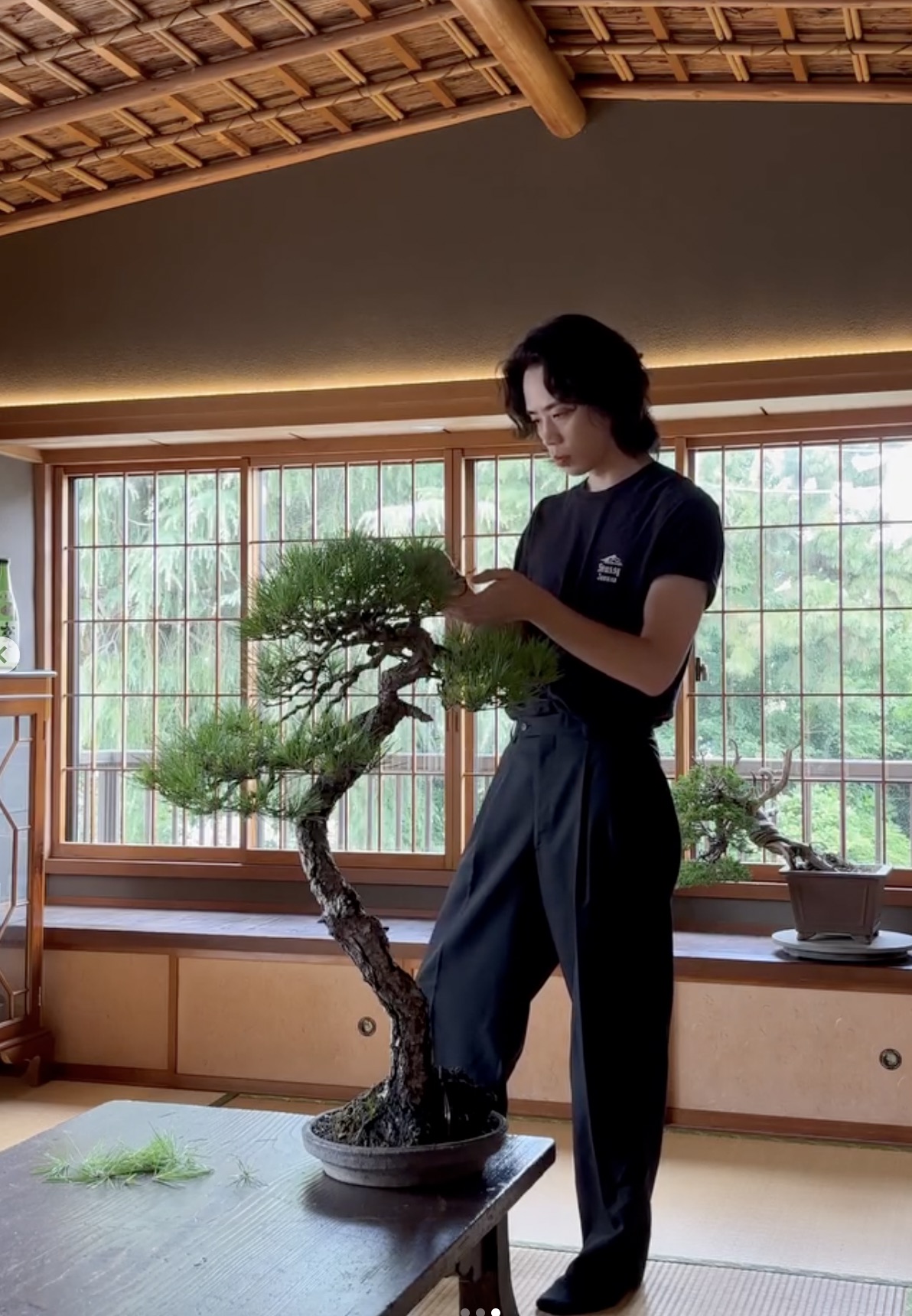
Yes. Thousands of people in Japan make a full-time living growing, training, and selling bonsai — but no government body licenses them to do it. The credential that actually matters is years spent as someone's apprentice.
That single fact surprises a lot of people outside Japan, who assume a craft this precise must be regulated somewhere. It isn't. What stands in for a license is older and, in its own way, stricter.
What the job is actually called
There is no single official job title. In everyday use, people who grow and train bonsai for a living are called bonsai shokunin (盆栽職人, "bonsai craftsperson") or bonsai sakka (盆栽作家, "bonsai artist"), with the second term leaning toward those whose finished trees are recognized as individual work rather than nursery stock. Neither title is conferred by an exam. Both are earned by reputation — years of trees, exhibitions, and other professionals willing to vouch for the work.
Private certificates do exist, issued by organizations such as the Japan Horticultural Association, and some growers hold one. But industry guidance is blunt about what they're worth: useful for building trust with a client who has no other way to judge you, not a requirement to practice the trade.
Not a license — an apprenticeship
There is no kokka shikaku (国家資格, "national qualification") for bonsai in Japan, the way there is for, say, a pharmacist or a first-class architect. What functions as the entry credential instead is totei (徒弟, "live-in apprenticeship") under an established grower — full-time, usually residential, and rarely shorter than five years before a master will vouch for someone as trained.
Keiichi Fujikawa, now the second-generation owner of Kouka-en nursery in Osaka, is a documented example of how that credential actually works. Before returning to run his family's business, he spent five years apprenticed under the noted grower Saburo Kato at Mansei-en in Omiya, and it was only after finishing that training — and receiving formal recognition from the Japan Bonsai Association — that he was considered qualified to take over. The certificate, in other words, sits at the end of the apprenticeship, not instead of it.
Two paths forward: your own nursery, or someone else's
Once trained, a bonsai professional's career tends to split one of two ways: building toward a nursery of your own, or continuing to work inside someone else's for years, sometimes permanently.
Fujikawa's path was the first — apprentice elsewhere, then come home to run the family nursery. Bjorn Bjorholm's path shows the second, extended further: after six years as Fujikawa's apprentice at Kouka-en, he stayed on three more years as artist-in-residence, becoming, by his own nursery's account, the first foreign-born bonsai professional working inside Japan. Both are described in Japan as puro (プロ, "professional") in the same breath — the difference is not status, only whether the nursery on the sign is yours.
Most professionals never run their own grounds at all. A nursery this size needs pruners, waterers, and pot-shifters as much as it needs a signature artist, and staying on as skilled staff under someone else's name is a normal, respected way to spend a working life in bonsai — not a stalled version of the "real" career.
What the life actually looks like
None of this tells you what the work feels like day to day, or how strange it is to build a career around objects meant to outlive you. We have written about that separately in The Life of a Bonsai Artist, and about the broader logic of narrowing an entire working life to one craft in our piece on shokunin. What this piece answers is narrower and more practical: yes, it is a real job, no government exam decides who gets to hold it, and the two ways professionals get there — training as an apprentice, including as a foreign apprentice in Japan — both run through the same nurseries this piece describes.
Azukari works with exactly these professionals — growers who trained the way Fujikawa and Bjorholm did, and who now tend trees for owners who live elsewhere. The job described above is the one actually doing the work behind every seasonal record.
References
- なるには資格.com — "盆栽資格とは?難易度・取得方法・活躍の場紹介" — on there being no mandatory national license for bonsai professionals in Japan, the job titles bonsai shokunin and bonsai sakka, and private certificates as optional credentials.
- Fujikawa International School of Bonsai — "School" — on Keiichi Fujikawa's five-year apprenticeship under Saburo Kato at Mansei-en, his certification by the Japan Bonsai Association, and his return to run the family's Kouka-en nursery.
- Bjorn Bjorholm — Eisei-en, staff biography — on his six years as an apprentice and three years as artist-in-residence under Keiichi Fujikawa at Kouka-en, and his certification as a bonsai professional.
- WBFF — Japan — on the founding of the Nippon Bonsai Association in 1965 and its role in the profession's wider organization.