
Culture
How to Become a Bonsai Craftsman
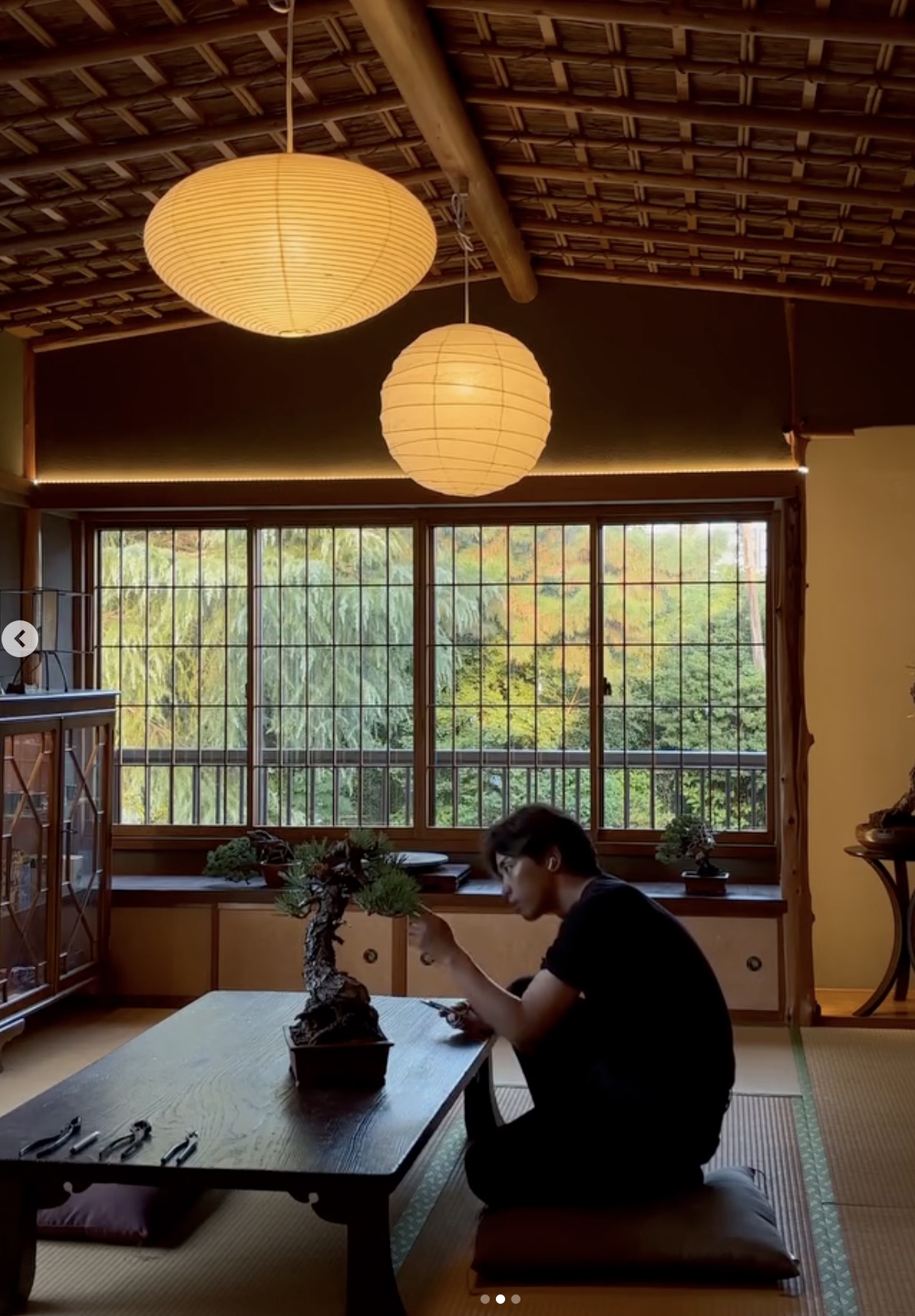
There is no school, license, or exam that makes someone a bonsai craftsman. The path is to find a Japanese nursery willing to take you on as a live-in apprentice and complete several years of training under a master — the same route every bonsai professional in Japan has followed, with no shortcut on offer.
The path runs through a nursery, not a classroom
Bonsai is not taught the way most trades are. There is no national bonsai school and no standardized curriculum a student can enroll in and graduate from. Training happens inside a working nursery, under one master, learned by doing the nursery's actual work for years rather than by attending lessons. Getting in is less a matter of filling out an application than of finding a nursery prepared to take on a new apprentice at all, and convincing its owner — usually through a personal introduction from someone the nursery already trusts — that the interest is serious enough to be worth years of the master's own time.
What the years actually involve
Once accepted, an apprentice typically becomes an uchi-deshi (内弟子, "an apprentice who lives with the teacher") — a live-in arrangement, found across Japanese craft traditions, in which a student moves onto the nursery grounds and takes on responsibilities to the household as well as the workshop (1). We have written elsewhere about what fills those years: sweeping the yard, carrying pots, watering rows of trees not yet the apprentice's to touch with a blade, and watching a master's hands rather than being told what they are doing — a training method explored at length in our piece on apprenticeship measured in years. Five to six years is the span cited most consistently. Ryan Neil, an American, is documented as the first Western apprentice to complete a full six-year training under bonsai master Masahiko Kimura in Saitama Prefecture before returning to the United States to found his own nursery (2, 3). Bjorn Bjorholm, also American, spent six years under Keiichi Fujikawa at Kouka-en nursery in Osaka before being certified as a bonsai professional by the Nippon Bonsai Association — by his own nursery's account, the first foreign-born bonsai professional certified to work inside Japan (4).
The door has opened wider than it once was
Neil and Bjorholm are not the only cases, and not only men have gone through it. Kathy Shaner, an American, trained in Japan under contemporary bonsai master Yasuo Mitsuya and became the first non-Japanese citizen — and the first woman — certified as a professional by the Nippon Bonsai Association, going on to teach and lecture across the United States for decades afterward (5). None of these apprenticeships were shortened or adapted for a foreign trainee; each followed the same years-long structure a Japanese apprentice goes through. What has changed is simply that the door is no longer assumed to be closed to someone who did not grow up in Japan. Some training programs today are explicit about this: one bonsai school in Takamatsu, a region well known for its pine nurseries, advertises training open to applicants "regardless of nationality," beginners included, alongside practical notes for overseas visitors on visas and travel arrangements (6).
A narrow entrance, not a locked one
None of this makes the path easy. It still requires years with little income beyond food and housing, fluency enough in Japanese to follow a master's instruction and the nursery's daily rhythm, and — perhaps hardest to arrange — someone willing to vouch for a stranger to a master who has no obligation to take one on. There is no professional body that hands out a bonsai license the way other trades issue certifications; a nursery decides for itself whether an apprentice has finished, and the trade recognizes what that nursery says. What exists instead of an entrance exam is a relationship: years spent proving, in practice rather than on paper, that the interest was real.
That is also, in the end, what the craft is asking a tree owner to trust when they place a tree in a nursery's care — the same years of quiet, unglamorous attention, applied this time to a trunk instead of a trainee. Azukari exists on the premise that this attention is worth keeping visible: each tree stays in Japan under an artist's ongoing care, with the seasonal record of that care available to whoever has been entrusted with the tree, wherever they happen to live. The craftsman's years and the tree's years, in a bonsai nursery, are never really separate undertakings.
For more on what the training itself involves, see apprenticeship measured in years and foreign apprentices in Japanese bonsai.
References
- Wikipedia — Uchi-deshi — overview of the live-in apprentice system found across Japanese kabuki, rakugo, martial arts, and craft traditions.
- Wikipedia — Ryan Neil — biography noting his six-year apprenticeship under Masahiko Kimura in Saitama Prefecture and his founding of Bonsai Mirai.
- Bonsai Mirai — About — official account of Ryan Neil completing a six-year apprenticeship under Masahiko Kimura and founding Bonsai Mirai in 2010.
- Wikipedia — Bjorn Bjorholm — biography of his six-year apprenticeship under Keiichi Fujikawa at Kouka-en nursery in Osaka and his certification by the Nippon Bonsai Association.
- Redwood Empire Bonsai Society — "Kathy Shaner, Sensei" — biography noting her apprenticeship under bonsai master Yasuo Mitsuya and her status as the first non-Japanese citizen and first woman certified as a professional by the Nippon Bonsai Association.
- Takamatsu Bonsai — Technical Training Recruitment — official page describing a bonsai training program in Takamatsu open to applicants "regardless of nationality," with guidance for overseas applicants on visas and arrangements.