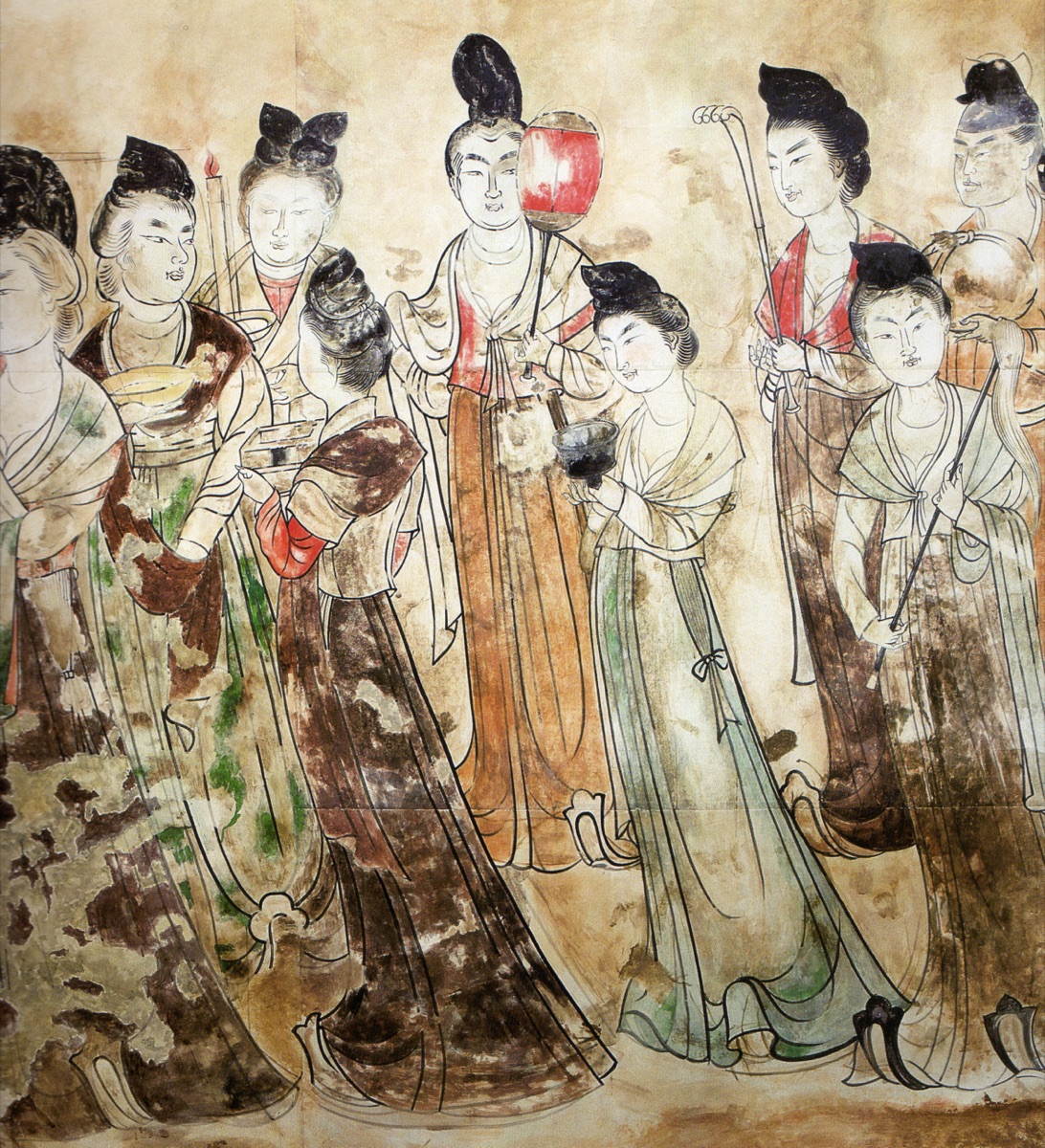
In 706 AD, in the corridor leading to the tomb of Prince Zhanghuai at the Qianling Mausoleum in Tang China, court painters frescoed a procession of attendants carrying potted trees and miniature rock gardens toward the grave. The mural is the earliest known image of penjing (盆景, "tray scenery"), and it already shows a finished idea: a landscape reduced small enough to be carried in two hands. Bonsai — the pot, the wire, the kuromatsu pine and shimpaku juniper — is usually treated as this idea's one true home. The impulse behind it, though, keeps showing up on its own: on a Dutch windowsill, in a Persian courtyard, in a locket at the court of Henry VIII.
What decides whether one of these traditions survives is not the country it comes from, but whether the care behind it outlasts the person who started it.
Keeping nature close is not a habit unique to Japan
People in unrelated climates and histories keep arriving at the same answer: bring a piece of the outside in, and tend it by hand.
Europe's cottage and manor gardens, kept and re-kept across generations, are one version of that answer. The Dutch and English habit of crowding a windowsill with potted flowers is a smaller one — a garden reduced to the width of a sill. The courtyards of Persian and Ottoman houses, built around a pool and a few trees so that green and water sit at the center of daily life rather than its edge, are a third. Japan's version includes bonsai and the wider garden-making tradition around it.
The tools, climates, and plants differ each time. What holds constant is the judgment that watching nature from a distance is not enough: it should be close enough to touch, visible every day rather than on occasion. Proximity to a living, growing thing has a settling effect that shows up regardless of culture — likely why gardens, potted plants, and trees in small containers recur across so many unconnected histories.
Smaller scenes are easier to see clearly
That same mural placed the idea already inside the Tang court, over 1,300 years ago. Penjing (盆景, "tray scenery") arranges trees, rock, and moss inside a container to condense a landscape of mountain and water into a form small enough to sit on a table. It is one of the direct roots bonsai grew from, arriving in Japan through Buddhist monks and diplomatic exchange in the centuries that followed.
Europe developed a parallel discipline in the portrait miniature: paintings small enough to be cradled in the hand or worn in a locket, compressing an entire likeness — sometimes an entire landscape behind the sitter — onto a few square inches of vellum. The form flourished at the courts of Henry VIII and Francis I in the sixteenth century because its scale suited an intimate, private kind of looking: a portrait meant to be held and studied, not viewed across a room.
The Japanese tea room, the chashitsu, works on a related principle, though its concern is space rather than image. A room of four and a half tatami mats compresses a season and a view into a handful of objects — a hanging scroll, a single flower, a small set of utensils — chosen carefully enough that the room's smallness becomes the reason each object in it can be seen clearly. This discipline is closely tied to wabi-sabi (侘び寂び), the aesthetic sensibility formalized by tea masters such as Sen no Rikyu in the sixteenth century, that finds a fuller beauty in restraint and modest materials than in abundance.
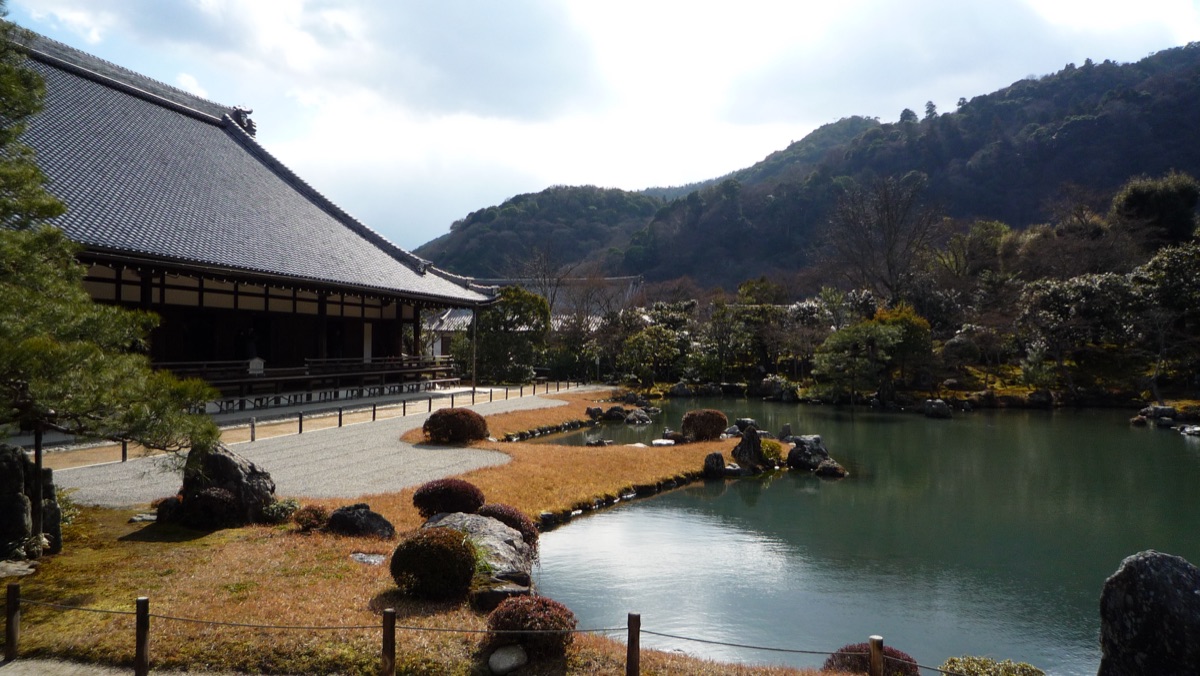
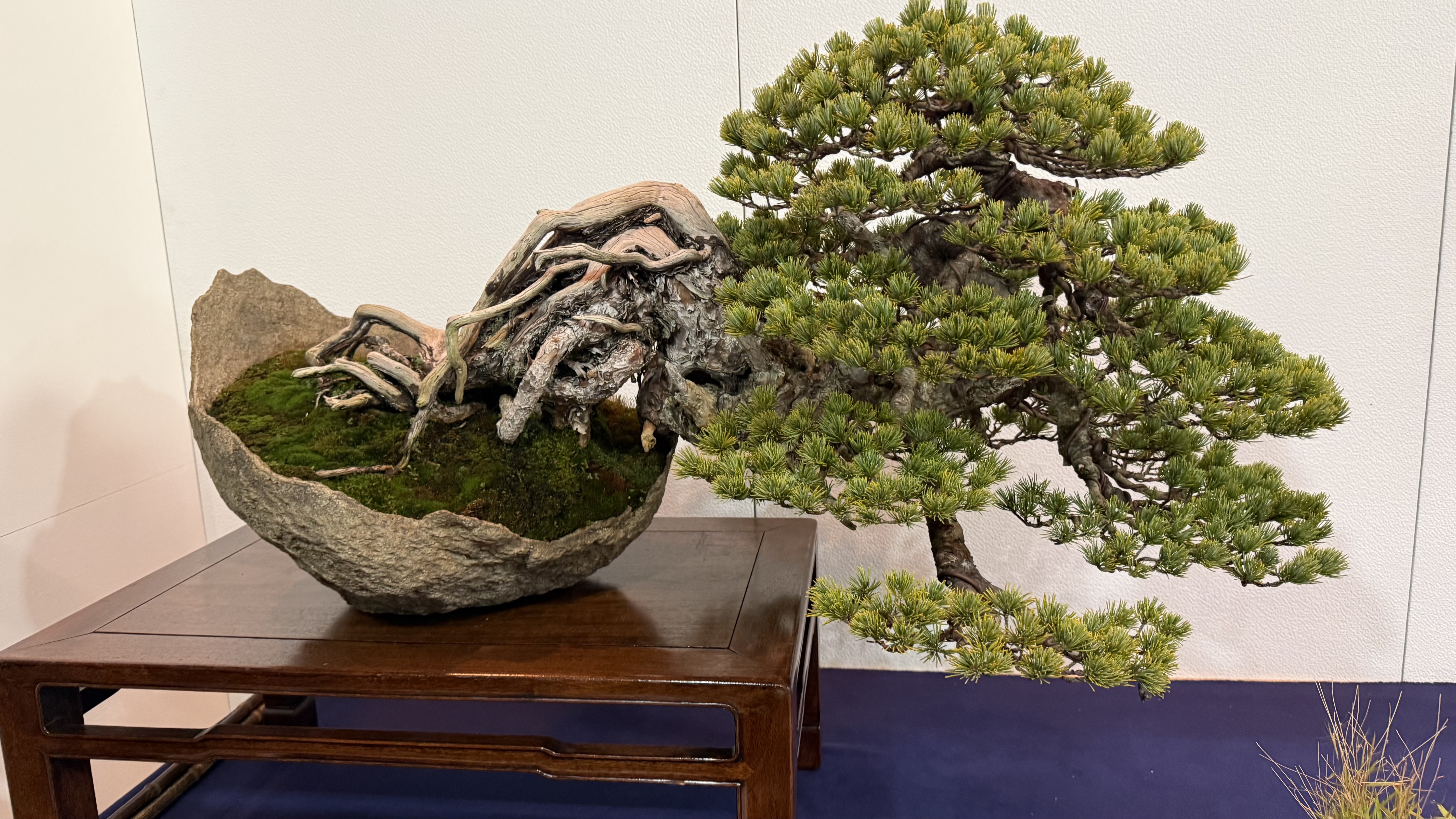
Bonsai belongs to this family of solutions. A single tree in a pot condenses the memory of a mountain slope or a forest edge: the lean of the trunk, the direction of a branch, the spread of an exposed root all carry a view the grower once saw and chose to preserve. Japanese garden design extends the same idea outward, through shakkei (借景, "borrowed scenery") — visible at temples such as Tenryu-ji in Kyoto, where a distant mountain is composed into the garden's view rather than built into it. In each of these traditions, shrinking or framing a scene trains the eye that meets it: faced with something small or tightly framed, people lean in, follow detail, and notice what a larger, more open view would let them pass over.
Care, not the culture it comes from, decides whether a tradition survives
The cultures differ; the discipline of tending something does not vary nearly as much.
Water it. Correct it. Protect it. Hand it to whoever comes next. A person who keeps a garden, grows flowers on a sill, or maintains a bonsai performs the same repeated act — a small attention today, repeated tomorrow, whose accumulation carries the thing forward, sometimes across a very long span of time.
With bonsai, this accumulation can run for decades and, in well-documented cases, well over a century, since a tree of that age will have passed through several owners. No single pair of hands sees the process through: the tree is handed on, and the next steward waters it, corrects its branches, and protects it in turn. Care, in this structure, passes from one steward to the next, carried by the tree itself across time.
This pattern is not unique to bonsai. A garden kept by successive generations of one family, a vineyard or farm tended across a century, a historic building maintained by whoever holds responsibility for it at a given moment — none were completed by a single maker. They keep their form because the people responsible for them keep changing while the practice of care continues unbroken.
That discipline of care also produces a particular quality of time: unhurried, paced to the tree's or the plant's own rhythm rather than a calendar. Whatever culture it appears in, that quality of attention carries roughly the same weight — the clearest sign of a tradition's staying power is whether that care survives the person who began it.
For more on how bonsai reads a landscape into a single tree, see Bonsai Is Not a Small Tree, which traces the idea back through penjing and the tea aesthetics above. Its connection to the broader discipline of Japanese aesthetics is discussed in What Is Keido, and the basic definition of the art form is set out in What Is Bonsai. For bonsai's wider presence outside Japan, see Bonsai Around the World.
Every culture holds a version of this same instinct
Bonsai is the Japanese form of a much older, more widely distributed instinct: to keep nature close, to shrink it until it can be seen clearly, and to care for it long enough that the caring outlasts any one person. Bonsai sits at the point where those three converge, and the mural in Tang China, the windowsill in Amsterdam, and the tea room in Kyoto are evidence the meeting point was never Japan's alone to find.
Most readers already hold a comparable tradition of looking closely at nature in their own country — a habit of keeping flowers, tending a garden, arranging stone, framing a view. Bonsai is not a specialized technique from a distant country so much as a further step along a sensibility most readers will already recognize as their own.
References
- Tenryu-ji Temple, Kyoto — official site, on the Sogenchi Garden's use of shakkei: https://www.tenryuji.com/en/precincts/
- "Penjing," Wikipedia — on the 706 AD Zhanghuai tomb mural, the earliest known depiction of the art: https://en.wikipedia.org/wiki/Penjing
- "Portrait miniatures at the V&A," Victoria and Albert Museum — on the history and scale of European portrait miniatures: https://www.vam.ac.uk/articles/portrait-miniatures-at-the-va
- The Omiya Bonsai Art Museum, Saitama — the world's first public museum dedicated to bonsai art: https://www.bonsai-art-museum.jp/en/
- "Wabi-sabi," Wikipedia — on the aesthetic's development through the tea ceremony and tea room: https://en.wikipedia.org/wiki/Wabi-sabi
- National Bonsai & Penjing Museum, U.S. National Arboretum — on bonsai and penjing collections tended across generations: https://www.usna.usda.gov/discover/gardens-collections/national-bonsai-penjing-museum