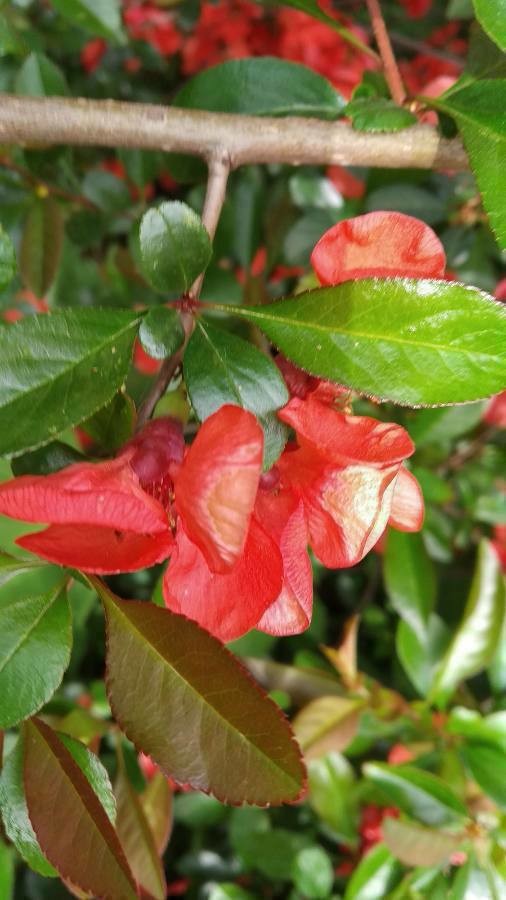
Photo by Carodejnictvionline, CC BY-SA 4.0, via Wikimedia Commons — Source

Most flowering and fruiting bonsai stay stubbornly green for one of four reasons: the tree was pruned at the wrong point in its cycle and lost next year's buds, a flower bud was mistaken for a leaf bud and cut away, feed or light was out of balance for a reproductive tree, or the answer simply has not arrived yet, because the bloom being asked about was already decided a year ago.
Pruning at the wrong time is the most common cause
A large share of flowering and fruiting species do not form this spring's buds this spring. Crabapple, hawthorn, and firethorn set their flowers on short spurs left over from the previous year's growth, so a grower who shortens every branch back hard in late summer, thinking of shape alone, can remove the very spurs that were about to bloom. Azalea works on the same delay in the opposite direction: its flower buds for next year form in the weeks right after this year's flowering, so pruning has to happen immediately after the bloom fades and then largely stop. Pomegranate and bougainvillea flower at the tip of new growth instead, so cutting shoots back before they have flowered removes the flower along with the shoot. There is no single rule that covers every species. What holds across all of them is that pruning decisions and flowering decisions are rarely made in the same season, which is why timing, more than any other single factor, is where flowering and fruiting bonsai go wrong. (Source Bonsai Empire)
Telling a flower bud from a leaf bud
Before any of that timing can be applied, a grower has to be able to look at a branch in late autumn or winter and know which buds to protect. A flower bud is usually round, distinctly plump, and often covered in a soft, slightly downy scale. A leaf bud on the same branch is slimmer, more pointed, and sits flatter against the wood. Horticultural guides describe fruit buds as swelling noticeably by late autumn while wood buds stay small and inconspicuous in a leaf axil. The distinction matters because the two are frequently mistaken for each other on a bare winter branch, and a pruning cut aimed at tidying the silhouette can take out a season's flowers without the grower realizing it until spring arrives with nothing to show. We've written more broadly about how flowering species are chosen and grown as bonsai here, including which trees make the distinction easiest for a beginner to learn on. (Sources Bonsai Empire, Royal Horticultural Society)
Feed and light are part of the design, not an afterthought
A tree that is fed like a foliage bonsai rarely flowers like one. Nitrogen-heavy fertilizer pushes leafy shoots at the expense of buds, so growers of flowering and fruiting species commonly switch to a lower-nitrogen, higher-phosphorus-and-potassium feed in the weeks leading into bud formation, and hold off on strong nitrogen again once flowers or fruit are actually developing. Sunlight carries just as much weight. Crabapple, in particular, is described as needing full sun and open air to set buds reliably, and a tree kept in partial shade for the sake of convenience will often stay healthy and green while producing little or nothing to look at. Consistent watering through the flower and fruit period matters too, since a tree allowed to dry out at the wrong moment can drop both. None of this is unusual horticulture. It is closer to a seasonal design, decided months before the flower itself appears. (Sources Bonsai Empire, Bonsai Empire Crabapple care guide)
Sometimes the honest answer is next year
Even with the timing, the buds, and the feed all correct, a flowering or fruiting bonsai does not answer on demand. Because so many species set their buds a full season ahead, a mistake made this spring is often not visible until the following spring, and a correction made today will not show itself until then either. This is not a flaw particular to bonsai. It is closer to what any long-lived tree asks of the person tending it: that this year's work is often made for a result the grower will not see for another full turn of the seasons. In Japan, that same rhythm shows up throughout the practice, not only in flowering trees but in the general pace of pruning, wiring, and repotting, all of it timed to a calendar the tree keeps and the grower has to learn. For a tree under long-term care with Azukari, that seasonal record, including when it was pruned and when it bloomed or fruited, is exactly what gets tracked from one year to the next, so the pattern behind a good bloom, or a missed one, is never a mystery for long. Plum, one of the earliest and most closely watched of Japan's flowering bonsai, is its own study in that same patience.
References
- Bonsai Empire — "Flowering Bonsai trees" — causes of failed flowering and fruiting including pruning timing, over-pruning, high-nitrogen fertilizer, insufficient sunlight, and species-specific pruning rules for azalea, pomegranate, crabapple, and hawthorn.
- Bonsai Empire — "Care guide for the Apple and crabapple Bonsai tree (Malus)" — crabapple's need for full sun, consistent moisture during flowering and fruiting, and pruning after leaf fall to distinguish flower buds from leaf buds.
- Royal Horticultural Society — "Apples and pears: identifying fruit buds" — visual difference between plump, rounded fruit buds and slender, pointed wood (leaf) buds.