
Culture
Is Bonsai Tree Abuse?
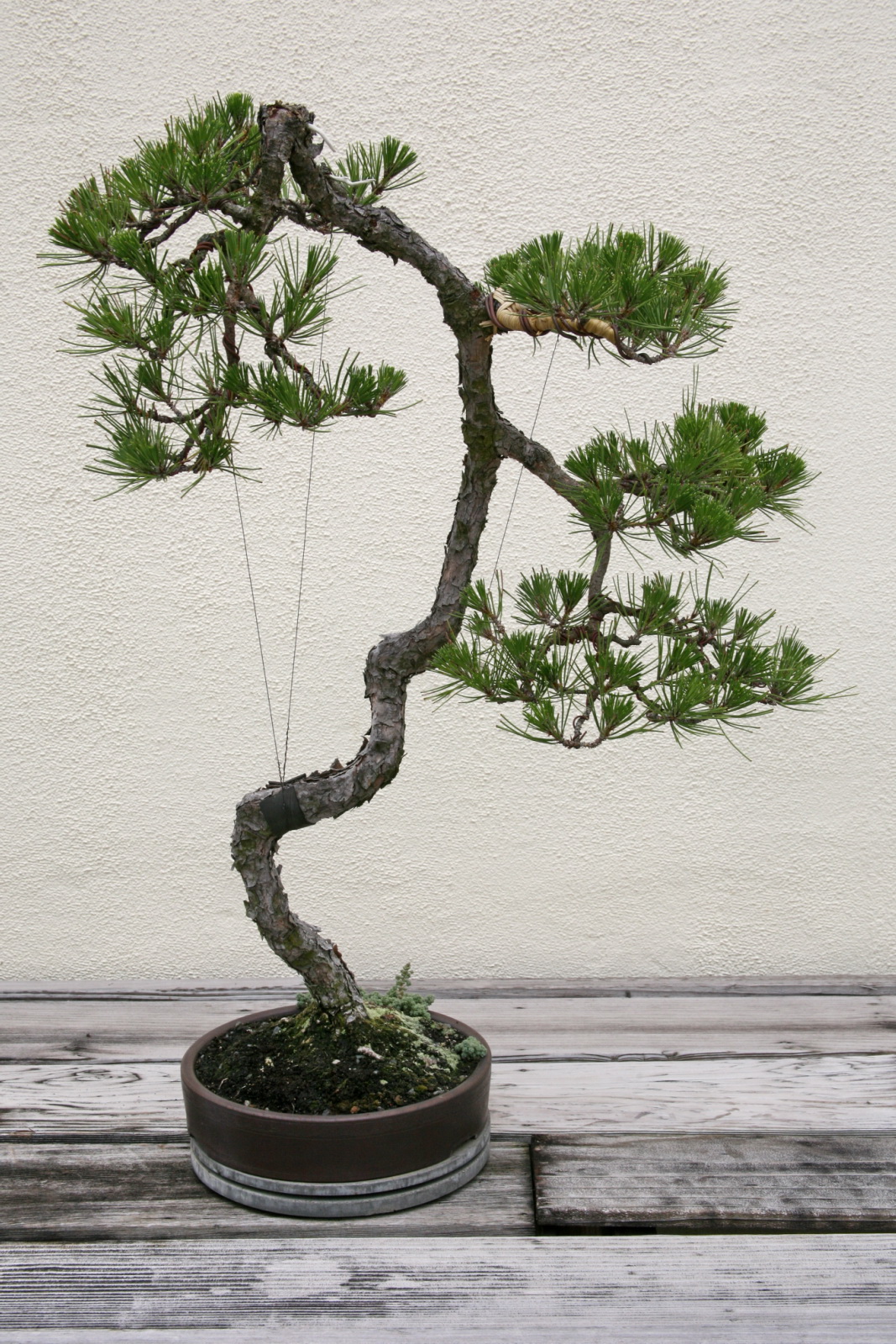
No. A tree wired, pruned, and root-trimmed on a regular schedule is not being mistreated — it is being kept alive under conditions that let it outlast almost anything growing wild. The techniques that look like restraint from the outside — wire around a branch, shears at the roots — are maintenance a container-grown tree needs, not punishment inflicted on one that would otherwise be free.
Where the question comes from
It is an honest reaction, not a strange one. A newcomer sees wire wound tightly around a branch, roots cut back with shears, a tree that should by rights stand many meters tall kept at knee height in a shallow tray for decades, and the natural read is confinement. Nothing about the image looks like kindness on first glance.
What that first glance leaves out is the alternative. A tree left completely alone in a pot does not stay free — its roots tangle and choke on themselves, and its branches grow wherever gravity happens to pull them, usually into a shape that eventually collapses under its own weight. Wiring and root work are not impositions layered on top of an otherwise untouched tree. They are closer to what any gardener does to a hedge, a climbing rose, or a fruit tree — shaping in the plant's own interest, sized to how much attention a container actually requires. A longer look at this same question takes the argument further; this is the short version.
Wiring: temporary, and not felt as pain
Wire stays on a branch for weeks to months — long enough for the wood to set into its new position — and is then removed, the way a young street tree gets staked until its trunk can stand straight on its own. It is not left wound around the tree for life, and a grower checks it periodically so it never has the chance to cut into growing bark. As for whether a tree feels the bend as pain, the current scientific consensus says no: plants have no nociceptors, no centralized nervous system, and no brain, the physical machinery that pain in animals runs on. A tree can respond to injury with chemical signals and changed growth. It has no way to suffer the way an animal does.
Root pruning keeps a tree strong, not weak
The same logic holds for the roots. Cutting back the oldest, thickest roots on a two- to three-year cycle is not an injury a bonsai merely survives — it is what keeps the tree healthy. A cut root responds by throwing out a cluster of new, fine feeder roots exactly where it was trimmed, and those fine roots draw in water and nutrients far more efficiently than the coarse old ones they replace. The tree left untouched in the same soil for years, its roots tangled and aging, is the one in real trouble — not the one being repotted on schedule.
The tree the record already answers with
One tree settles the argument better than any explanation can. A Japanese white pine now known as the Yamaki Pine was put into training by the Yamaki family of Hiroshima in 1625 and stayed in that family's care for six generations, until it was donated to the United States in 1976. In August 1945, eight years before that gift, it survived the atomic bombing of Hiroshima, shielded by a wall around the family's outdoor nursery. It is close to four hundred years old now and still growing, at the National Bonsai & Penjing Museum in Washington, D.C. Almost nothing in an unmanaged forest reaches that age — storms, drought, disease, insects, and competition from neighboring trees end most wild trees long before old age would. A tree checked daily, watered by hand, and shielded from most of those hazards is not fighting the same fight a wild tree fights every year it survives, and that gap is why some bonsai are counted in centuries rather than decades.
Care, not confinement
None of this means every bonsai is well kept — a tree can be neglected in a pot exactly as it can be neglected in open ground, through carelessness rather than through the technique itself. But that is a question about an individual owner, not about the practice. For a tree kept well, checked every day for water, light, and the set of each branch, the arrangement looks far more like an ongoing partnership than a cage — closer to why some bonsai simply outlive the person who first trained them, and get handed on to the next. The wire comes off. The tree stays, and keeps growing, for longer than most trees ever get the chance to.
That same idea — a living thing outlasting any single steward and passing forward into the next pair of hands — is close to what Azukari is built around: a tree that keeps growing under an artist's daily care in Japan, with its owner watching from wherever they happen to live.
References
- Smithsonian Magazine — "The Bonsai Tree That Survived the Bombing of Hiroshima" — reporting on the Yamaki Pine's training since 1625, its survival of the 1945 bombing, and its 1976 donation to the United States.
- Kutschera, U., Briggs, W.R. — "Anesthetics and plants: no pain, no brain, and therefore no consciousness," Protoplasma (2021) — peer-reviewed discussion of the absence of nociceptors and a central nervous system in plants.
- University of Tennessee Extension — "SP615: Why Do Trees Die?" — extension publication on the environmental causes of tree mortality in the wild.
- Bonsai4Me — "Wiring Bonsai" — on wire remaining in place for weeks to months and the need to check regularly so it does not cut into the bark as a branch thickens.
- Bonsai4Me — "Repotting and Root-Pruning Bonsai, Part 1" — explanation of how root pruning stimulates new, fine feeder-root growth.