
Culture
How Long Do Bonsai Live?
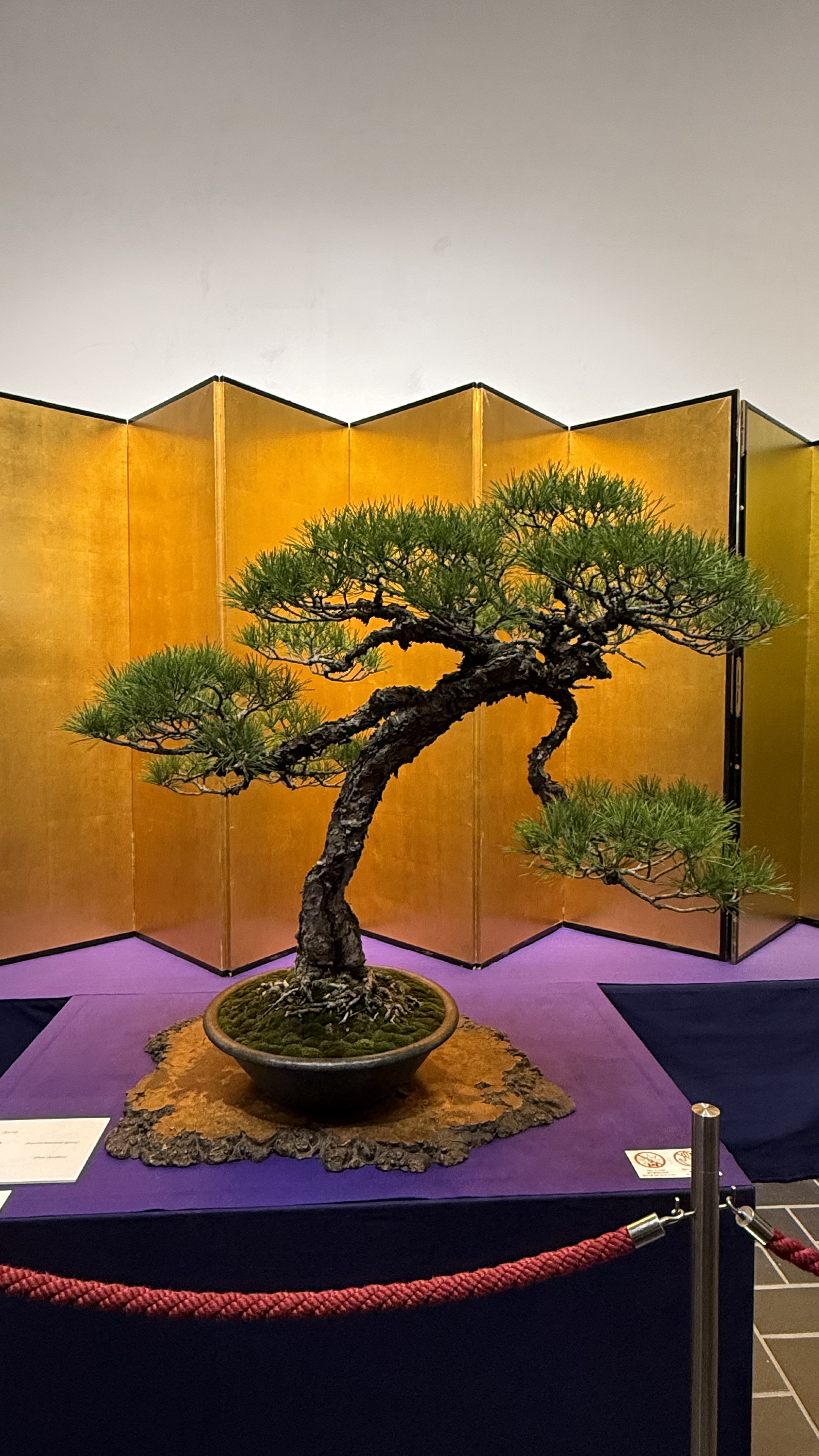
A well-kept bonsai has no fixed expiration date. Species that would live for centuries in open ground can live for centuries in a pot as well, and it is ordinary, not exceptional, for a single tree to pass through several generations of caretakers before its story is anywhere near finished.
The number depends on the species, not the pot
There is no single figure that answers "how long does a bonsai live," because a bonsai is still, biologically, the species it started as. A tree that would naturally live thirty years does not gain centuries just by entering a pot. A tree from a naturally long-lived species — many pines, junipers, and some maples among them — carries that same long horizon into training. Bonsai4Me's comparison of common tree species puts wild lifespans on a wide scale, from roughly fifty years for a wild cherry up to several centuries for an oak or a Scots pine, and argues that a bonsai's life expectancy should, in principle, run even longer than its wild counterpart: shielded from storms, disease, and competition from other trees, and kept in active, youthful growth by regular pruning rather than being left to age untended.
Real trees, real years
The claim is not theoretical. Bonsai Empire's survey of the oldest known bonsai lists a ficus at the Crespi Bonsai Museum in Italy estimated at over a thousand years old, and a tree at Kunio Kobayashi's Shunka-en nursery in Tokyo, kept in the traditional tokonoma (床の間, an alcove built for displaying a single object of honor), estimated at more than 800 years. Bonsai Empire's own FAQ is direct about the pattern: properly cared-for bonsai can outlive fully grown trees left in nature, and some specimens now training in Japan are over 800 years old, many collected from the mountains generations ago and passed from one caretaker's hands to the next ever since. We've written at length elsewhere about two other documented cases — a white pine at the Omiya Bonsai Art Museum estimated at roughly 450 years, and a Japanese white pine now at the U.S. National Arboretum that has been in training since 1625 — and about the daily habits of care that make numbers like these possible at all.
A tree has two ages, not one
Japanese practice generally keeps two separate numbers for a single tree. Jurei (樹齢, a tree's true biological age, counted from germination) tells you how long the tree itself has been alive. The years spent under a bonsai artist's hand — its training age — tell you something different: how long it has actually been shaped as bonsai. A trunk collected from a mountainside at two hundred years old does not become a two-hundred-year-old bonsai on day one of training; it becomes a bonsai with two hundred years of jurei and one year of training. Most inexpensive bonsai sold at garden centers are only five to ten years old by either measure. The trees people mean when they ask "how old can a bonsai get" are a different population entirely — specimens with both a long jurei and decades, sometimes centuries, of training layered on top of it.
Built on the assumption of outliving its owner
A tree with a multi-century jurei was never raised on the assumption that one person would see it through to any kind of finish line. As we've written elsewhere, a bonsai artist's working life is short next to a tree that measures its age in centuries — which means an artist's real job is rarely to complete a tree, only to carry one chapter of it forward before handing it to somebody else. The same premise runs through the idea that a bonsai is never truly finished: as long as a tree is alive, its shape keeps changing, one caretaker at a time.
What actually sets the ceiling
Species sets the theoretical maximum. Care decides whether any given tree gets anywhere near it. A bonsai skipped on watering for a season, left unrepotted for a decade, or ignored through a hard winter will not reach old age regardless of what its species would allow in the wild. The trees now standing at 800 or 1,000 years did not get there by accident; they got there because someone kept watching, season after season, and then handed that responsibility to someone else before their own hands gave out.
That handoff, repeated enough times, is what a long bonsai life actually looks like in practice — less a single tree's achievement than an unbroken line of people who decided the tree was worth another year of attention. In Japan that line runs through nurseries, apprenticeships, and, now and again, a written record of what each caretaker did and why. At Azukari, that same seasonal record is kept alongside each tree in training, so the next person to hold it inherits more than the wood — they inherit a readable account of the years that came before.
References
- Bonsai4Me — "How Long Can Trees Live?" — on wild lifespans by species and the argument that a bonsai's life expectancy should exceed its wild counterpart under protected, well-tended conditions.
- Bonsai Empire — "Top 5: Oldest Bonsai Trees" — on the ficus at the Crespi Bonsai Museum, Italy (over 1,000 years) and the tree at Kunio Kobayashi's Shunka-en nursery (over 800 years).
- Bonsai Empire — Frequently Asked Questions — on properly cared-for bonsai outliving trees left in nature, specimens over 800 years old, and trees passed down within Japanese nurseries across generations.
- Wa-Bon-Biyori — "盆栽は何年かかる?スタート別の年数と寿命を解説" — on the distinction between a tree's jurei and its training years, and on documented shimpaku juniper specimens exceeding 1,000 years at Mansei-en and the Omiya Bonsai Art Museum.