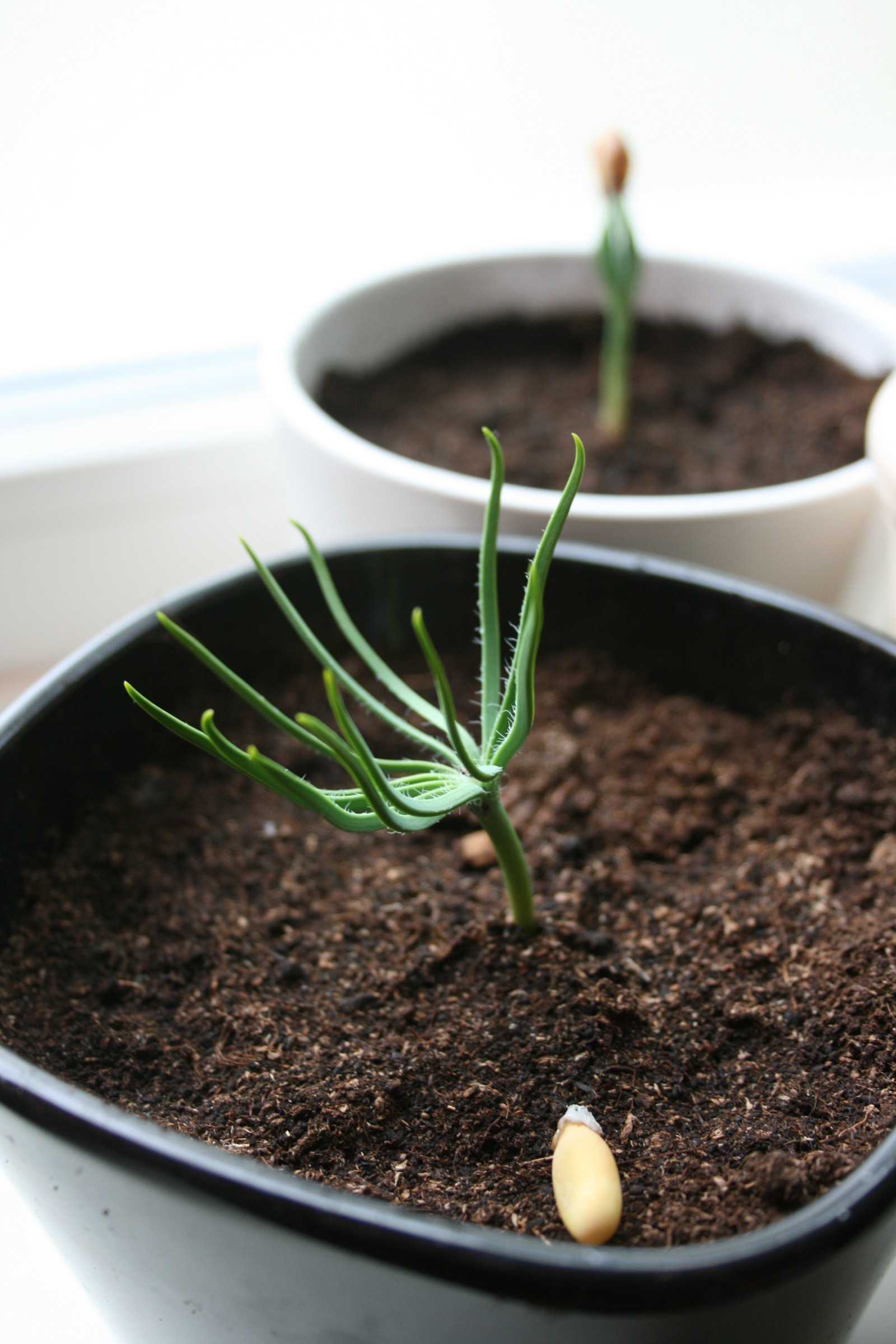
Photo by Pdreijnders, CC BY-SA 3.0, via Wikimedia Commons — Source

Growing a bonsai from seed generally takes about ten years before the tree even begins to look like a young bonsai, and closer to twenty years or more before it reads as a mature one. Nothing in that timeline can be safely shortened.
Why the number is so large
The wait starts before the tree does much of anything. Seed of many temperate bonsai species needs a period of cold before it will sprout at all — commonly a week or so of moist refrigeration for a species like Japanese black pine — and even then germination can take anywhere from about a week to a month once the seed is sown. That is the fast part. A seedling is then usually left a full year in its first small pot before being moved into one of its own, and growers are typically advised to wait at least another year after that before any pruning or wiring begins — a minimum of roughly three years before shaping starts at all.
From there, the clock only stretches further. Reaching bark with real character and a trunk with visible taper — the point where a tree first reads as a young bonsai rather than a nursery seedling — is commonly described as taking ten years or more of steady, unhurried growth. One widely cited progression for a seed-grown tree tracks close to twenty-two years from germination to a form that looks like a finished bonsai. A tree collected from the wild, called yamadori (山採り, "collected from the mountains"), can arrive with decades of trunk character already written by wind and stone. A tree grown from seed has none of that head start; every year of it has to be lived, in a pot, one growing season at a time. We go into the technique itself — the taproot, the timing, the reasons a grower chooses this path anyway — in a longer piece on misho, starting from seed.
A plan that outlives a single career
The practical result is that growing a bonsai from seed is rarely a project one grower expects to finish. Someone who sows a pine today, in the middle of their working life, will most likely not see it reach an exhibition-worthy form within that same career. That is not a flaw in the method; it is close to the whole point of it. Every early decision — when to cut back the taproot, how hard to prune, when to repot — is made in service of a tree that will be judged by someone else, possibly a generation later. Bonsai grown this way are commonly handed on, tended by more than one set of hands before they reach the shape their first grower had in mind.
Why that timeline is the reason old trees hold their standing
This is also the simplest possible explanation for why an old bonsai is treated differently from a young one, regardless of how skilled the person who trained it is. As we wrote in why a tree's age carries value, no fee and no shortcut can manufacture the years a tree has already lived through — and the seed-to-bonsai timeline is the plainest proof of that. A hundred-year-old pine did not arrive at its bark, its taper, or its nebari (根張り, "the flare of surface roots at the base of a trunk") any faster than a seedling planted this spring will. It simply started earlier, and someone kept it going the whole way.
What the question is really asking
Asked plainly, "how long does it take" sounds like a question about horticulture. In practice it is closer to a question about what a bonsai actually is: a living thing that cannot be rushed toward the appearance of age, only grown into it, season after season, by whoever happens to be holding the pot at the time. That is also close to the idea behind Azukari — that a tree's record does not begin or end with a single owner's stretch of years, but is carried forward by whoever tends it next. A seed sown today is simply the most literal version of that same continuity: a start that one person makes, and time, along with the hands that follow, has to finish.
References
- Bonsai Empire — "Grow Trees from Seed as a Bonsai Cultivation Technique" — the three-year minimum before shaping begins, and a cited roughly 22-year seed-to-bonsai progression.
- Bonsai Tonight — "How to Grow Japanese Black Pine from Seed" — stratification and germination timing for Japanese black pine.
- Growing Bonsai — "Nebari Creation with Seedlings" — early-years root training timing for seed-grown trees.
- Wikimedia Commons — File: Pinus Pinea seedling.JPG — photograph by Pdreijnders, licensed CC BY-SA 3.0.