
Culture
The Most Expensive Bonsai
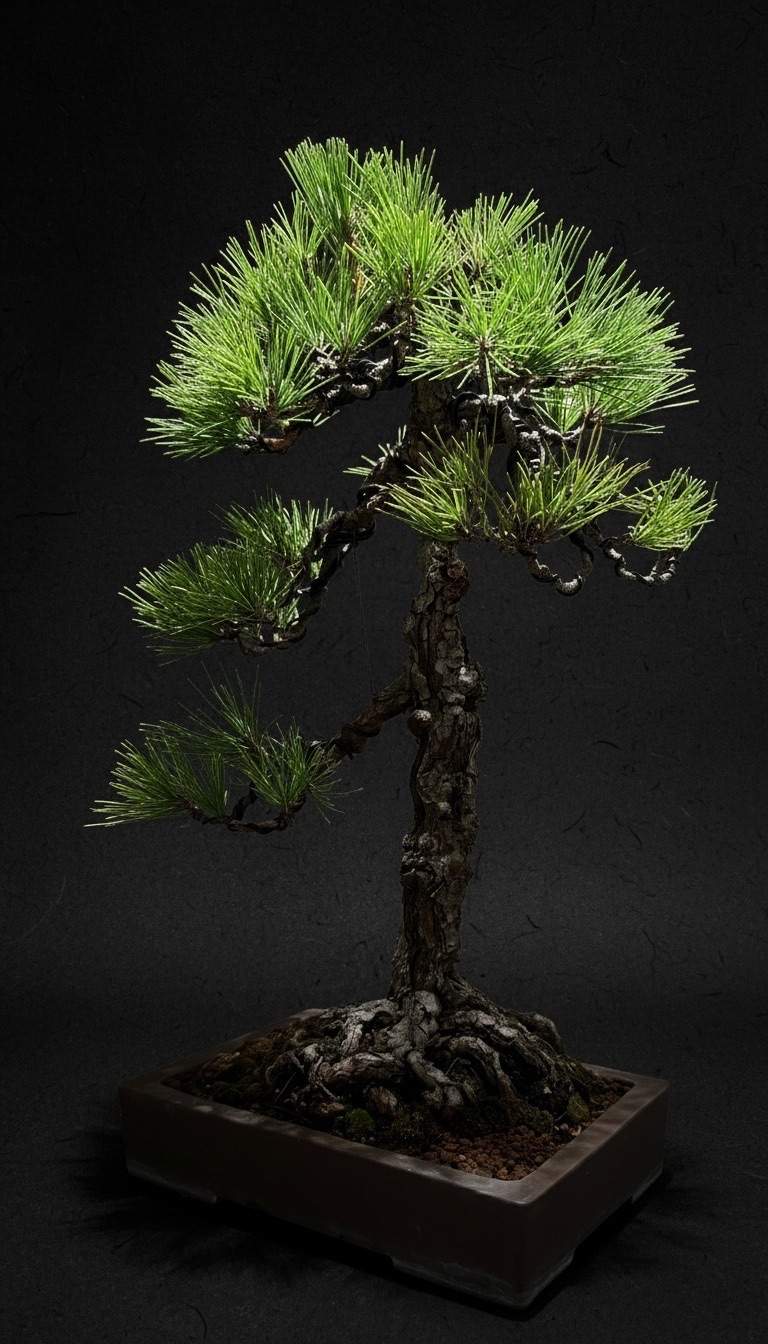
The highest reported bonsai sale is a centuries-old Japanese white pine, reported at around $1.3 million at an international bonsai gathering in Takamatsu, Japan. It is a single, exceptional event, not a price any other tree is expected to match, and it is not evidence that bonsai as a category is rising in value.
The reported record
The tree most often cited as the world's most expensive bonsai is a Japanese white pine (goyomatsu, 五葉松) reported to be several centuries old — estimates put it at around 800 years — with a massive, twisted trunk and heavily plated bark. It reportedly changed hands for roughly $1.3 million (around ¥100 million at the time) at an international bonsai gathering held in Takamatsu, a city on the island of Shikoku known for its production nurseries. No public sale registry tracks bonsai the way an auction house tracks paintings, so this figure, like most reported bonsai prices, rests on trade reporting rather than a filed record — worth naming plainly, and worth treating with the same care as any single reported number.
It is not the only large figure that has circulated. Reported sales for other trees — a shimpaku juniper at around $350,000, a juniper shown at the Taikan-ten exhibition at roughly $180,000, a Japanese white pine near $160,000 — sit well below the Takamatsu pine but far above what a typical bonsai, even a good one, changes hands for. Together they describe a small handful of exceptional peaks, not a ladder that ordinary trees are expected to climb.
What actually pushes a price that high
A trunk alone, however dramatic, does not reach a seven-figure number. What separates these reported outliers from an ordinary old pine is the same pair of things that sets any bonsai's price, just carried to an extreme: age that cannot be manufactured, and a keireki (経歴, "a documented record of who has grown and kept a tree") solid enough that a buyer does not have to take the seller's word for either one. We go through how those pieces combine into an actual number in how bonsai prices are set, and into how a record makes a tree's worth legible in the first place in a bonsai's value is in its record.
The parallel to fine art is close here, and precise. Sotheby's has described documented ownership history as capable of multiplying a piece's price far beyond its material worth — a costume necklace made of imitation pearls, tied to a famous owner, once sold for roughly 300 times its appraised material value. The pine in Takamatsu is doing something similar: an exceptional trunk, plus a record an expert eye could trust, plus a stage where the right buyer was in the room. Remove any one of those three, and the number falls quickly.
Why one sale is not a benchmark
A reported price like this describes one negotiation between one seller and one buyer, settled once, in one room. It does not describe a market. There is no bonsai exchange publishing a daily rate the way a stock market does, and no other tree — including one that looks nearly identical — is entitled to the same figure just because the Takamatsu pine reached it. A dealer naming a price for an equally old, equally well-documented tree next season is starting from the same four considerations discussed above, not from what a headline once reported.
None of this makes a bonsai a financial instrument, and a reported record sale is not a signal that bonsai prices as a category are climbing. It is a single, verifiable-as-reported data point about what one tree, with an unusually long and well-attested record, reportedly changed hands for on one occasion.
What it actually means, day to day
For the overwhelming majority of bonsai, including genuinely fine, decades-old trees, a number like $1.3 million will never enter the conversation, and that is not a shortcoming. Most of what a tree is worth in bonsai culture is read in its keireki and its standing among people who study it closely, not chased as a price to be reached. What a record like the Takamatsu pine's actually shows is how far that same ordinary logic — age, plus a record someone can check — can stretch when both happen to be exceptional at once.
The daily work behind any bonsai, expensive or not, does not change because of a reported number: water, wire, a season of recovery, a decision about which branch to keep. Azukari is built around keeping that ordinary work on record as it happens, in Japan, season by season — so that whatever a tree eventually turns out to be worth, the record behind that judgment is something its owner can actually see, rather than take on faith.
References
- Bonsai Empire — "The Most Expensive Bonsai Tree" — reporting the centuries-old Japanese white pine sold for around $1.3 million at the International Bonsai Convention in Takamatsu, Japan, along with other reported high-value juniper and white pine sales.
- Bonsai Empire — "Bonsai Prices" — on age, design, species, and pot as the standard factors nurseries weigh when pricing a tree.
- Sotheby's — "What Is Provenance? How Celebrity Drives the Luxury Market" — on documented ownership history multiplying a single sale price far beyond an object's material value, and on such results reflecting one sale rather than a sustained trend.
- Nippon Bonsai Association — About the Association — on the kicho bonsai registration system used to give a tree's record a checkable, dated status.