A collection's worth comes from what it can prove
In 1976, to mark the American bicentennial, the Nippon Bonsai Association presented 53 bonsai trees and seven viewing stones to the United States, a gift framed at the time as a "Green Mission for Peace." That single gift funded the museum that anchors this list, and it explains why one of the most complete bonsai collections outside Japan sits a short drive from the US capital. Museums devoted entirely to bonsai (盆栽, "the art of cultivating miniature potted trees") and botanical gardens with serious bonsai and penjing (盆景, the related Chinese tradition of miniature landscape planting) collections exist across the world: one outside Milan, others from the Pacific Northwest to Montreal.
What separates a bonsai collection worth the detour from one that only sounds impressive is whether it can name something specific about itself: a founding year, a documented gift, an exact count of trees. This guide covers the major bonsai museums and collections that could be verified with confidence, region by region, and closes with how to track down bonsai near wherever you live.
North America's bonsai museums can each name a specific origin
In Washington, DC, the National Bonsai & Penjing Museum sits on the grounds of the US National Arboretum, built around the 1976 gift described above. A handful of trees in the adjoining Chinese collection trace back further still, to penjing given to President Nixon after his 1972 visit to China. The collection has since grown with additions from North American bonsai artists, and more than 300 specimens now rotate through three pavilions and a special exhibits gallery. Admission is free. (Sources: National Bonsai Foundation, US National Arboretum)
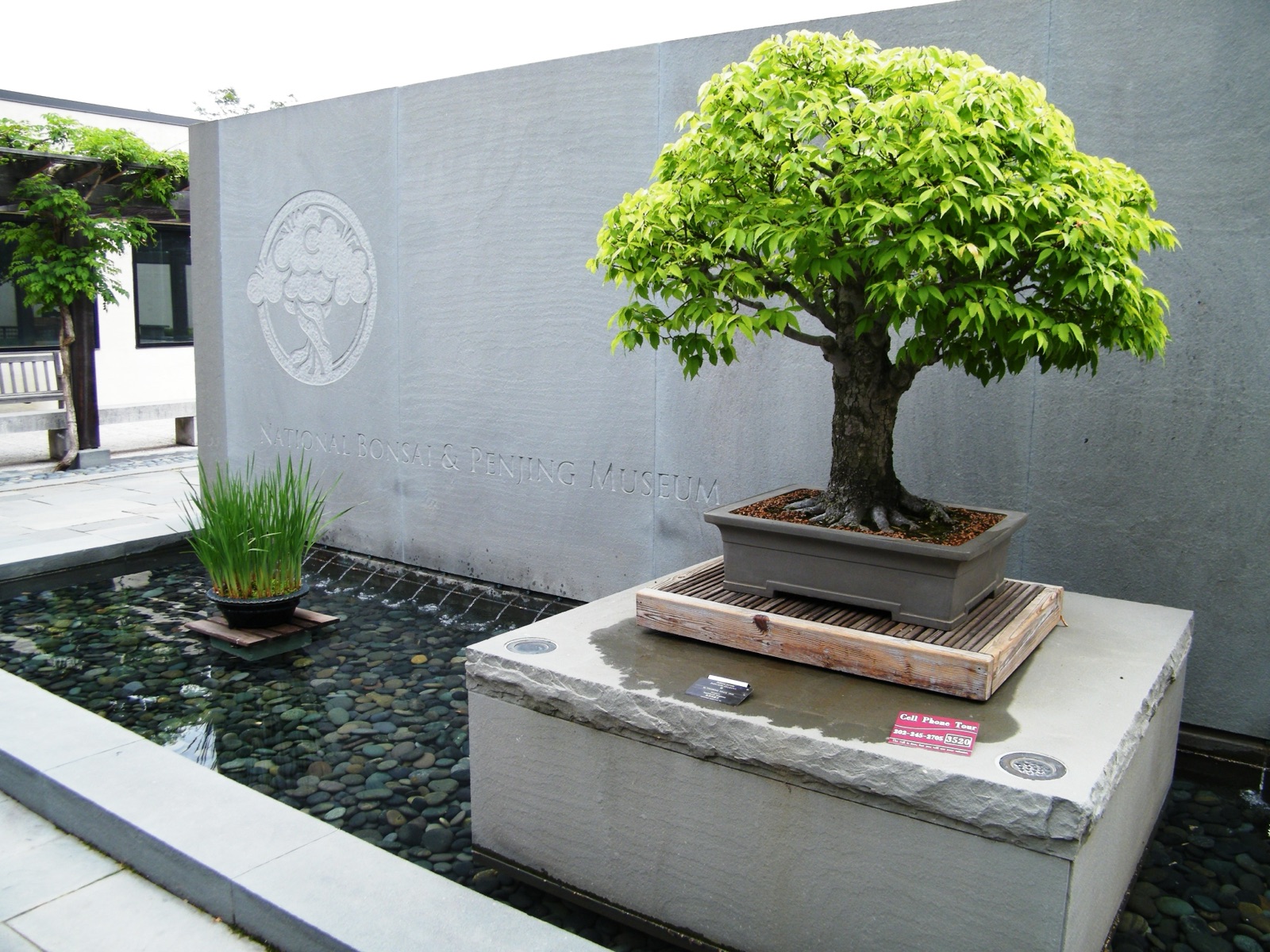
Photo by Sarah Stierch, CC BY 4.0, via Wikimedia Commons — Source

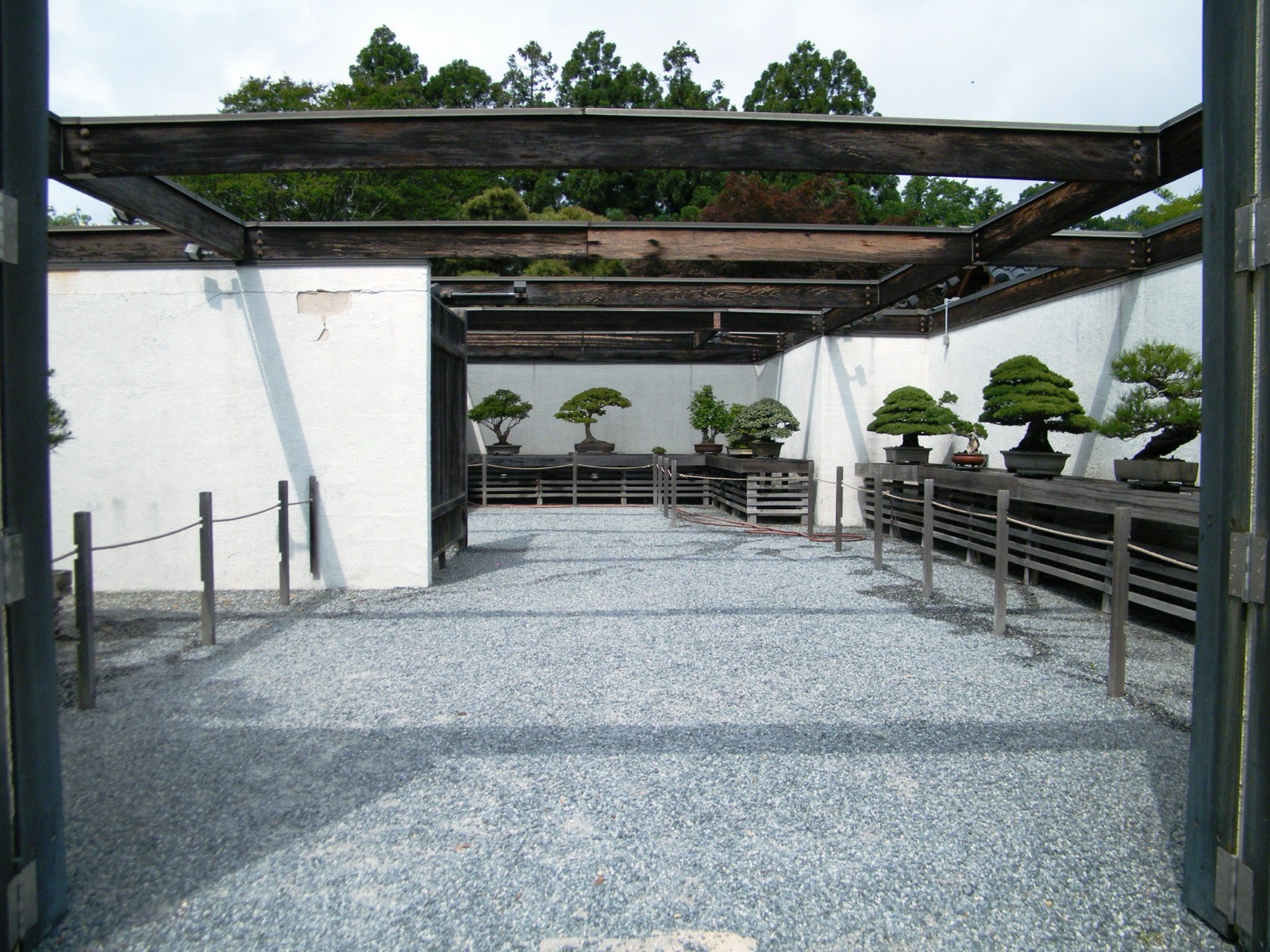
Photo by Sarah Stierch, CC BY 4.0, via Wikimedia Commons — Source

The West Coast has its own dedicated museum with its own origin story. Pacific Bonsai Museum in Federal Way, Washington, grew out of a partnership between the timber company Weyerhaeuser and a Washington State celebration, and opened in 1989. It is one of only a few public museums in the world devoted solely to bonsai, and its open air walkways display more than 100 trees drawn from around the world. Admission is by donation. (Source: Pacific Bonsai Museum)
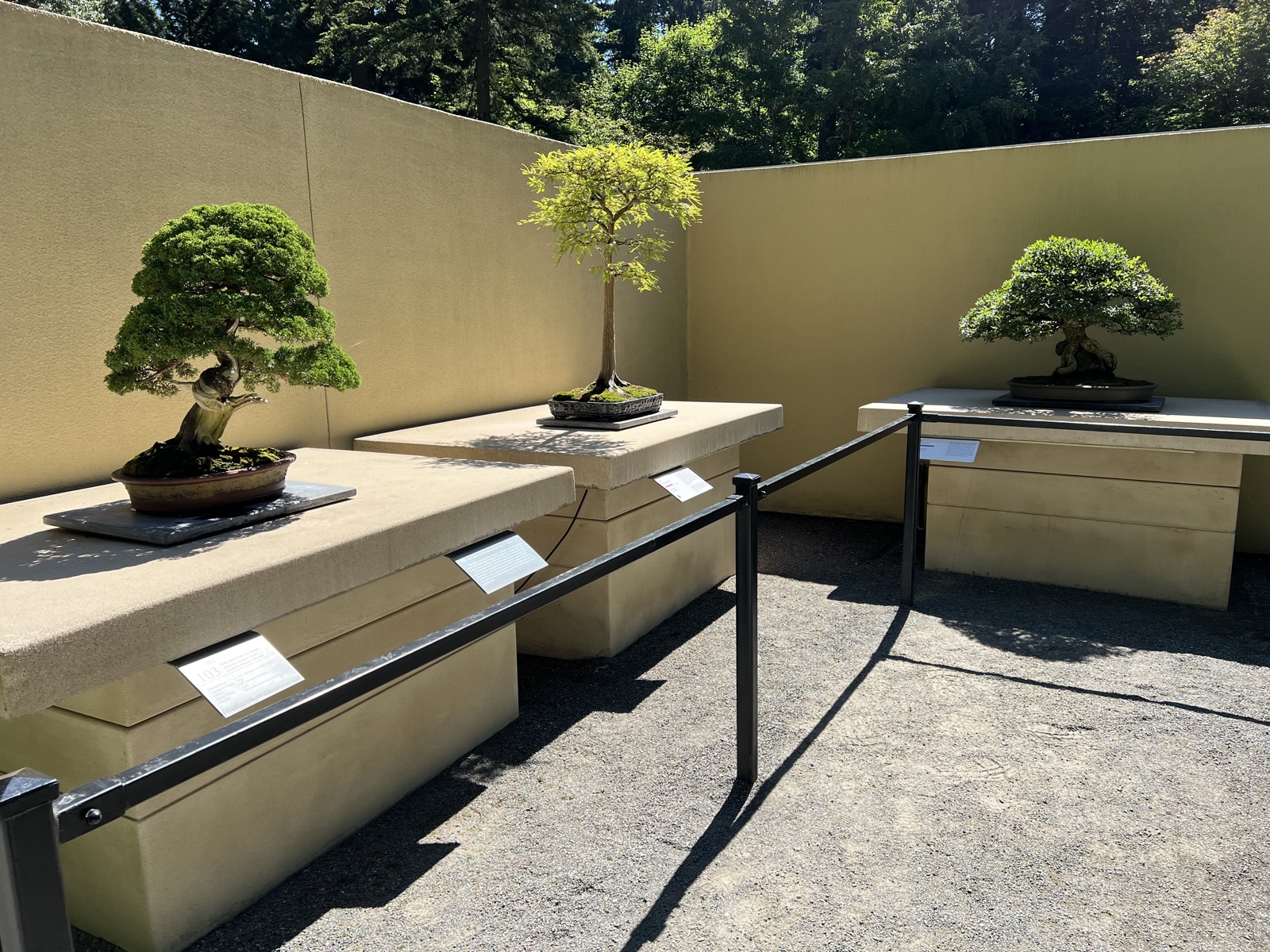
Photo by Sgerbic, CC BY-SA 4.0, via Wikimedia Commons — Source

The Montreal Botanical Garden, in Canada, can name its own numbers too: more than 350 trees drawn together into five distinct collections, some specimens dating from as early as the seventeenth century. Much of the southern Chinese penjing and the northern Chinese penjing arrived as institutional gifts, and the garden displays its trees seasonally across the Japanese Garden, the Chinese Garden, and the exhibition greenhouses rather than in a single hall. (Source: Espace pour la vie, Montreal Botanical Garden)
Europe's bonsai museums measure themselves in tree age and count
In Europe, the Crespi Bonsai Museum in Parabiago, near Milan, Italy, is the standout. It opened in 1991 and is described by the museum as the world's first permanent bonsai museum, holding around 200 works on rotating seasonal display. Among its most notable pieces is a thousand-year-old Ficus retusa, which reached Italy from China in 1986 after a negotiation lasting more than a decade. (Source: Crespi Bonsai)
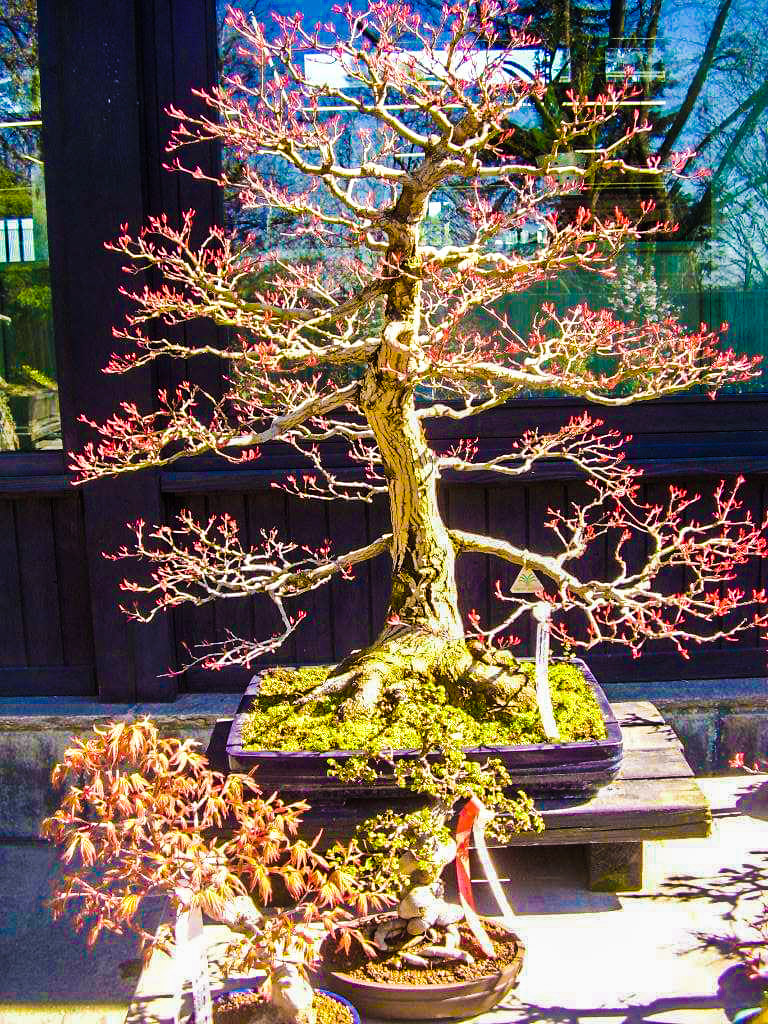
Photo by Ivan Stesso, CC BY-SA 4.0, via Wikimedia Commons — Source

In Germany, Bonsai-Zentrum Heidelberg, just outside the city, is a well known bonsai exhibition space. Its glassed display area and outdoor grounds together show around 80 to 100 trees, and entry is free. (Source: Bonsai-Zentrum Heidelberg)
Unverified locations are left off this list on purpose
Bonsai collections exist in many places beyond North America and Europe, but this guide only includes institutions whose name, location, and details could be verified with confidence. If you are looking outside these regions, the botanical garden and bonsai club search strategies below are the most reliable way to find something near you.
Japan's collections carry the longest documented history
Japan, the home of bonsai, naturally has deeper collections and more frequent exhibitions. The Omiya Bonsai Art Museum in Saitama, opened in 2010, was the world's first public museum built entirely around bonsai culture, and it displays celebrated trees alongside related art, historical, and folk materials.
Kokufu Bonsai Ten (国風盆栽展, "the National Style Bonsai Exhibition"), Japan's oldest and most prestigious bonsai exhibition, has run since 1934, decades before any of the collections above existed, and is held every February at the Tokyo Metropolitan Art Museum. Its 100th edition is covered in this report on the 100th Kokufu Bonsai Exhibition. In central Tokyo, Meiji Jingu Shrine also hosts a bonsai and suiseki (水石, the art of displaying naturally formed viewing stones) exhibition, described in this piece on the Meiji Jingu bonsai exhibition.
A club directory finds what a guide like this cannot
Beyond the institutions above, many botanical gardens hold bonsai or penjing collections, and local bonsai clubs exist worldwide. Start by checking the website of the major botanical garden in your area. Quite a few maintain a bonsai or penjing collection, whether on permanent display or shown seasonally.
Next, use a club directory. In North America, the American Bonsai Society (ABS) and Bonsai Clubs International (BCI) both publish directories that let you search for a club by region. Joining a local club is often the easiest way to see bonsai up close and learn about upcoming exhibitions.
Bonsai also turns up outside formal exhibition spaces. Azukari's partner artist Kazuki Saeki takes his trees out of the exhibition hall entirely, into cafes and resorts around Tokyo, a shift described in this article on how Azukari's artist takes bonsai into the city.
Every collection here can name something specific about itself
The National Bonsai & Penjing Museum can name 1976 and 53 trees. The Crespi Bonsai Museum can name a Ficus retusa at over a thousand years old. Kokufu Bonsai Ten can name 1934. A collection near you that offers only atmosphere, with no year and no count on record, has simply not earned the same confidence yet. Checking a museum's own site for its founding year and its numbers before making the trip is the same discipline Azukari applies to a single tree kept in Japan: not a mood board, but a record of who is caring for it and when.
Frequently asked questions
Are there places to see bonsai outside Japan. Yes. The National Bonsai & Penjing Museum and Pacific Bonsai Museum in the United States, Montreal Botanical Garden in Canada, the Crespi Bonsai Museum in Italy, and Bonsai-Zentrum Heidelberg in Germany are among the dedicated bonsai institutions found around the world. Is admission free. It depends on the museum. The National Bonsai & Penjing Museum and Bonsai-Zentrum Heidelberg are free, while Pacific Bonsai Museum operates on a donation basis. Check each museum's official site for current hours and pricing. What if there is no bonsai museum near me. Look into the botanical garden collections in your area, or search the club directories maintained by the American Bonsai Society and Bonsai Clubs International to find a bonsai club near you.
References
- National Bonsai & Penjing Museum — US National Arboretum — official US National Arboretum page for the museum, which sits on the arboretum's grounds in Washington, DC.
- National Bonsai Foundation — "The Museum" — confirms the 1976 gift of 53 bonsai and 7 viewing stones from the Nippon Bonsai Association, the "Green Mission for Peace" framing, and the museum's three pavilions plus two activity centers.
- Pacific Bonsai Museum — confirms the museum is a 501(c)(3) nonprofit offering free admission by donation, open six days a week year-round.
- Espace pour la vie — Montreal Botanical Garden, Bonsai and Penjing — official Montreal Botanical Garden page describing its bonsai and penjing collection.
- Crespi Bonsai Museum — confirms the museum opened in 1991 as the world's first permanent bonsai museum, holds around 200 works on rotating display, and identifies its Ficus retusa, brought to Italy in 1986, as its most notable specimen.
- Bonsai-Zentrum Heidelberg — describes the center as a venue built around bonsai, koi, and suiseki, offering workshops and events near Heidelberg.
- Omiya Bonsai Art Museum — Saitama City's municipal bonsai art museum page, describing its location in the Omiya Bonsai Village and notable specimens including the Ezo spruce "Todoroki," estimated at 1,000 years old.
- American Bonsai Society — club directory — state-by-state directory of US bonsai clubs with meeting times and contact information.
- Bonsai Clubs International — club directory — searchable directory of 35 affiliated bonsai clubs worldwide, filterable by country and region.